How to Lose Belly Fat Naturally: 10 Science-Backed Tips That Work
If you’ve ever done 200 crunches a night hoping to finally see your abs, you already know the frustrating truth: spot-reducing belly fat through targeted exercise alone doesn’t work. Your body decides where it burns fat from, and no amount of sit-ups changes that order.
The good news is that belly fat — especially the visceral fat that wraps around your organs — actually responds well to consistent, evidence-based habits. It’s often one of the first places people notice a difference once their overall approach is dialed in.
This guide skips the fad diets and “flat belly tea” nonsense and walks through 10 strategies backed by actual research, covering nutrition, training, sleep, and the daily habits that quietly move the needle.
Why Belly Fat Is Different (and Worth Taking Seriously)
Not all body fat behaves the same way. Subcutaneous fat sits just under the skin and is mostly a cosmetic concern. Visceral fat, on the other hand, surrounds your internal organs and is metabolically active — it’s linked to a higher risk of type 2 diabetes, heart disease, and inflammation.
That’s part of why belly fat gets so much attention beyond appearance. The habits below aren’t about achieving a six-pack; they’re about reducing a type of fat that has real implications for long-term health, with a leaner midsection as a natural side effect.

1. Prioritize Protein at Every Meal
Protein does double duty: it keeps you fuller for longer, and your body burns more calories digesting it compared to fat or carbs (a phenomenon called the thermic effect of food). Studies consistently link higher protein intake with lower amounts of visceral fat.
In practice, this means anchoring meals around eggs, chicken, fish, Greek yogurt, tofu, or legumes rather than treating protein as an afterthought. Aim for a palm-sized portion at each meal as a simple starting benchmark.
2. Cut Back on Added Sugar and Refined Carbs\
Sugary drinks, pastries, and white bread spike blood sugar quickly, and your body responds by releasing insulin to bring it back down. Chronically high insulin levels are strongly associated with increased fat storage around the abdomen.
You don’t need to eliminate carbs — that’s neither necessary nor sustainable for most people. Swapping refined carbs (white rice, white bread, sugary cereal) for fiber-rich versions (oats, quinoa, whole grain bread) keeps blood sugar steadier and curbs the cravings that lead to overeating later in the day.

3. Eat More Soluble Fiber
Soluble fiber forms a gel-like substance in your gut that slows digestion and helps you feel satisfied longer. Research has specifically tied higher soluble fiber intake to reductions in visceral fat over time.
Good sources include oats, flaxseeds, Brussels sprouts, avocados, and legumes. Even adding one high-fiber food to each meal — a spoonful of chia seeds in your yogurt, an extra side of beans — adds up over weeks.
4. Strength Train at Least Twice a Week
Cardio burns calories in the moment, but resistance training builds muscle that keeps your metabolism elevated around the clock. Muscle tissue burns more calories at rest than fat tissue does, which means a stronger body is a more efficient fat-burning body, even while you sleep.
You don’t need an hour-long gym session. Two to three full-body strength sessions a week, covering squats, rows, presses, and core work, is enough to start shifting body composition over two to three months.
5. . Add Movement Throughout the Day, Not Just Structured Workouts
Non-exercise activity thermogenesis (NEAT) — the calories you burn walking, cleaning, taking the stairs, fidgeting — often adds up to more daily energy expenditure than your actual workout. Someone who walks 8,000-10,000 steps a day and skips the gym can burn more total calories than someone who does an intense 30-minute workout and then sits for the rest of the day.
A simple habit that works well: a 10-15 minute walk after meals. It’s been shown to help regulate post-meal blood sugar, which ties directly back to reduced fat storage.

6. Get Enough Sleep
Sleep is one of the most underrated factors in belly fat, and one of the most overlooked. Poor sleep raises cortisol (a stress hormone linked to abdominal fat storage) and disrupts ghrelin and leptin, the hormones that regulate hunger and fullness — which is why a bad night’s sleep often leads to overeating the next day.
Seven to nine hours a night isn’t a luxury here; it’s a functional part of any fat-loss plan. If nothing else on this list changes but your sleep improves, many people still notice a difference in cravings and energy within a couple of weeks.
7. Manage Chronic Stress
Cortisol, released during prolonged stress, has been specifically linked to increased fat storage around the midsection — a pattern researchers have observed even in people who aren’t overeating. This is part of why some people accumulate belly fat despite an otherwise reasonable diet.
You don’t need to eliminate stress from your life, which isn’t realistic anyway. Simple, consistent practices — a short daily walk, breathing exercises, even 10 minutes of quiet before bed — measurably lower cortisol over time.

8. Limit Alcohol
Alcohol is calorie-dense, offers no nutritional value, and is processed by your liver before fat or carbs are, which means anything eaten alongside it is more likely to be stored as fat while your body deals with the alcohol first. There’s also solid evidence that regular alcohol intake specifically correlates with increased visceral fat, not just general weight gain.
You don’t have to cut it out entirely. Reducing frequency, choosing lower-calorie options, and avoiding drinking on an empty stomach all make a measurable difference.
9. Stay Consistent With a Moderate Calorie Deficit
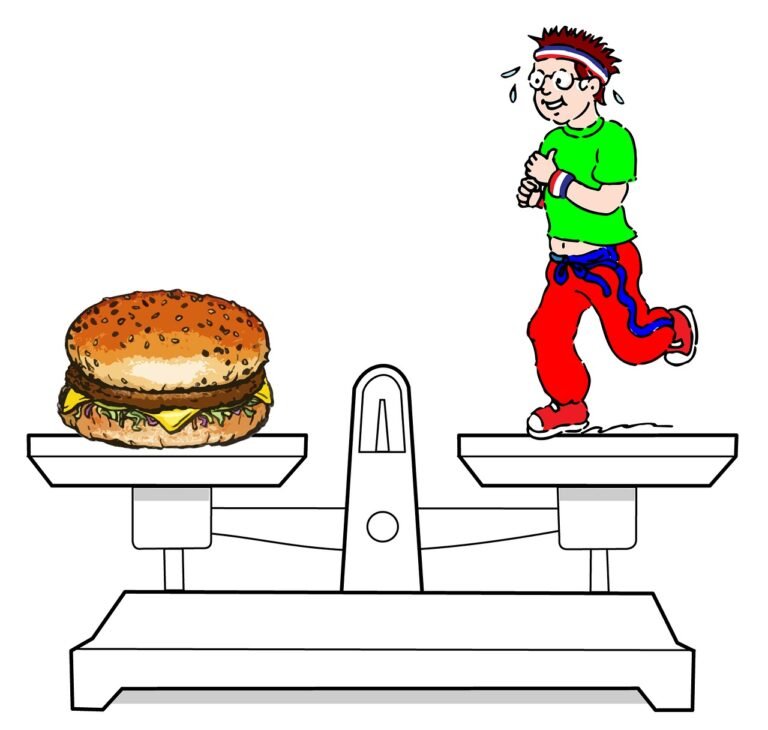
Ultimately, losing any body fat — belly fat included — requires burning slightly more calories than you consume. The mistake most people make is going too aggressive too fast, which leads to muscle loss, fatigue, and rebound weight gain once the diet inevitably ends.
A moderate deficit of roughly 300-500 calories a day is sustainable, preserves muscle mass, and tends to produce fat loss you can actually maintain, rather than a crash-diet result that reverses within a month.

10. Track Progress With More Than the Scale
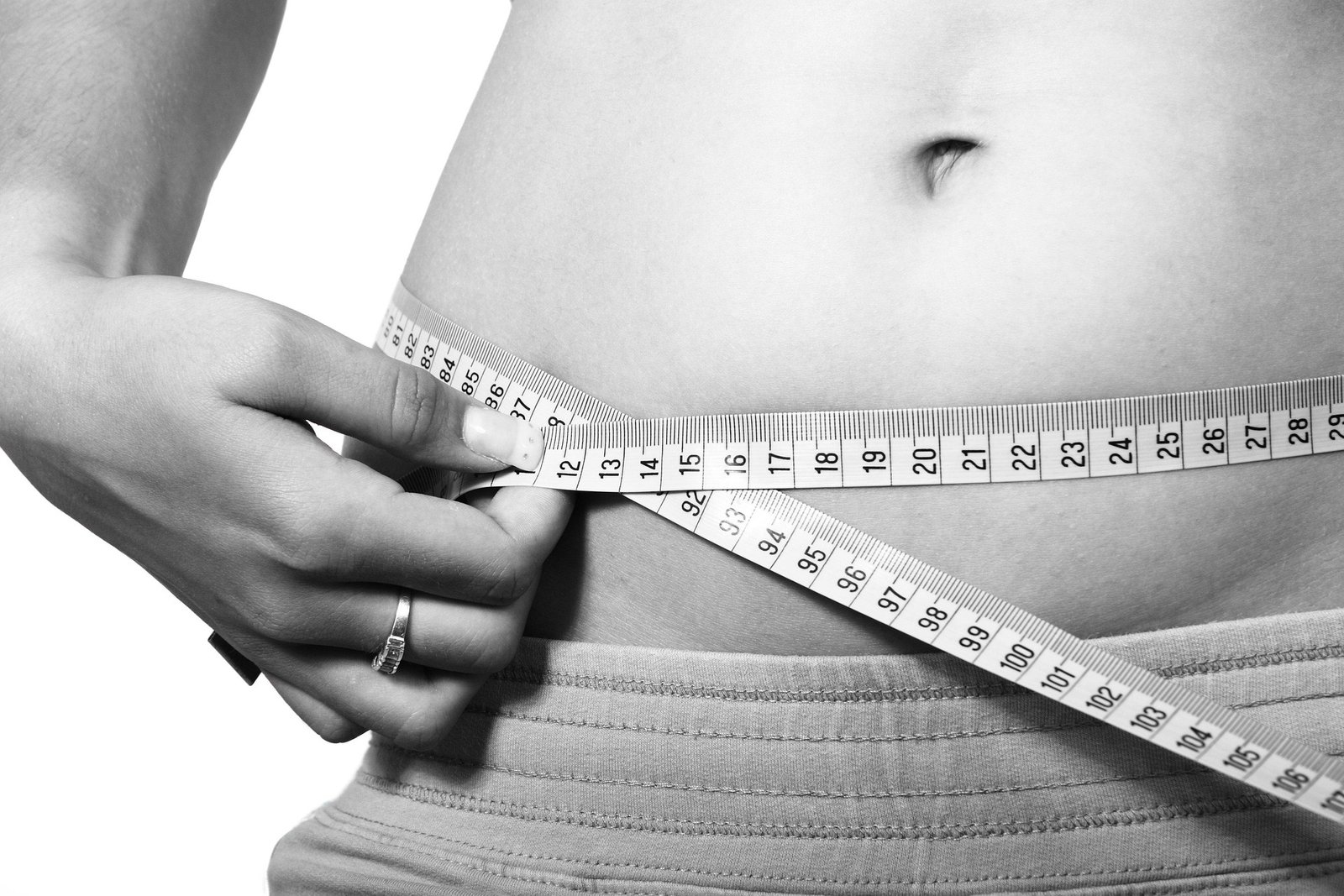
The scale doesn’t distinguish between fat loss, muscle gain, and water weight, which is why it’s common to feel like “nothing’s working” even when your body composition is genuinely improving. Waist circumference, how your clothes fit, and progress photos every few weeks tend to tell a more accurate story than daily weigh-ins.
As a simple benchmark, a waist circumference under 40 inches for men and 35 inches for women is generally associated with lower health risk related to visceral fat — a more useful marker to track than weight alone.
Frequently Asked Questions
Can you lose belly fat without losing weight elsewhere? Not through targeted exercise alone — spot reduction isn’t how fat loss works. However, since visceral fat tends to be more metabolically responsive than fat in other areas, many people notice their waistline shrinking first as they lose overall body fat.
How long does it take to lose belly fat naturally? Most people begin noticing changes in four to eight weeks with consistent diet and exercise habits, though this varies based on starting point, genetics, and how strictly the habits are followed. Sustainable fat loss is gradual — roughly 1-2 pounds a week is a realistic, healthy pace.
Do ab exercises help reduce belly fat? Ab exercises strengthen the muscles underneath the fat but don’t burn fat from that specific area. They’re worth doing for core strength and posture, but fat loss itself comes from the diet and lifestyle factors covered above.
Does drinking water help with belly fat? Staying well-hydrated supports metabolism and can reduce unnecessary snacking that’s actually thirst mistaken for hunger. It’s a helpful supporting habit, though not a fat-loss strategy on its own.
Is belly fat harder to lose than fat elsewhere on the body? For some people, yes — genetics and hormones (particularly cortisol and insulin sensitivity) influence where fat is stored and released from. That said, visceral fat specifically often responds well to the combination of diet, strength training, and sleep improvements outlined above.
Key Takeaways
Losing belly fat naturally isn’t about a single trick — it’s the compound effect of steady habits: enough protein, less added sugar, regular strength training, daily movement, real sleep, and a moderate, sustainable calorie deficit. None of these require extreme measures, and that’s exactly why they work long-term where fad diets don’t.
If you’re ready to put this into action, pairing these habits with a structured beginner strength routine is one of the most effective next steps — and anyone with an existing health condition should check with a doctor before making significant changes to diet or exercise.