Best Diet Plan for PCOS Weight Loss: What Actually Helps
If you have PCOS (polycystic ovary syndrome) and feel like weight loss is harder for you than it seems to be for other people doing the exact same things, you’re not imagining it. PCOS commonly involves insulin resistance, which changes how your body processes carbohydrates and stores fat — meaning generic “eat less, move more” advice often works less predictably than it does for people without the condition.
This doesn’t mean weight loss is impossible with PCOS. It means the approach that works best is somewhat different, built around the specific hormonal piece rather than calorie counting alone.
A quick note before diving in: PCOS varies significantly from person to person, and the right approach depends on your specific symptoms, insulin levels, and other health factors. This article covers general, well-supported dietary patterns — it isn’t a substitute for guidance from a doctor, endocrinologist, or registered dietitian familiar with your individual case.
Why PCOS Makes Weight Loss More Complicated
Insulin resistance is present in a large percentage of people with PCOS, even those who aren’t overweight. When cells don’t respond normally to insulin, the body produces more of it to compensate — and higher circulating insulin promotes fat storage, particularly around the abdomen, while also making fat harder to burn for energy. This creates a frustrating cycle where standard low-calorie approaches that would work for someone without insulin resistance produce slower or less consistent results.
Addressing the insulin piece directly, rather than focusing on calories alone, tends to produce better outcomes for most people with PCOS.
1. Prioritize a Lower Glycemic Load
Foods that cause smaller, slower blood sugar spikes put less demand on insulin overall. This doesn’t mean cutting out carbohydrates entirely — it means favoring:
- Whole grains over refined grains (steel-cut oats over instant, brown rice over white)
- Legumes and beans, which combine fiber and protein with their carbohydrate content
- Whole fruit over fruit juice
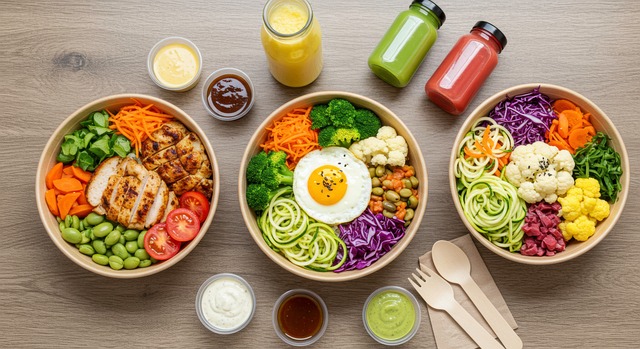
- Non-starchy vegetables as the base of most meals

2. Pair Carbohydrates With Protein and Fat
Eating carbohydrates alongside protein and healthy fat slows digestion and blunts the blood sugar spike compared to eating those same carbohydrates alone. Practically, this means adding nut butter to fruit, having eggs alongside toast rather than toast alone, or including a protein source with any starchy side.
3. Emphasize Fiber at Every Meal
Fiber slows carbohydrate absorption and supports the gut bacteria linked to better insulin sensitivity. Vegetables, legumes, whole grains, and fruit with the skin on all contribute meaningfully here — aiming for 25–30 grams of fiber per day is a reasonable target for most adults, and higher intakes are associated with improved markers in several PCOS-focused studies.
4. Consider an Anti-Inflammatory Eating Pattern
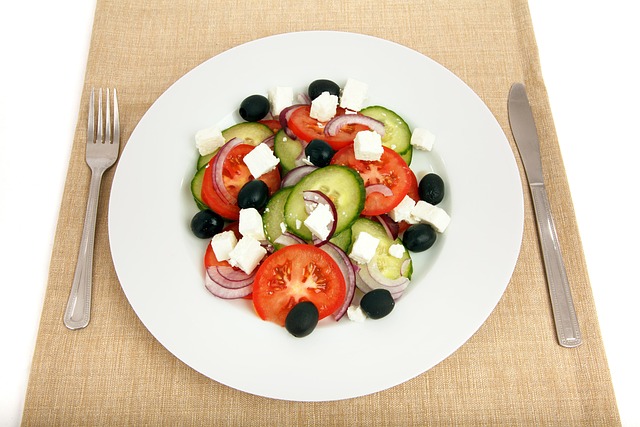
PCOS is associated with low-grade chronic inflammation, and dietary patterns that reduce inflammation — similar to a Mediterranean-style diet — are frequently recommended alongside the insulin-focused changes above. This generally means more fatty fish, olive oil, nuts, vegetables, and fruit, and less ultra-processed food, fried food, and added sugar.
5. Don’t Default to Extreme Calorie Restriction
Very low-calorie diets can worsen the stress response in a body already dealing with a hormonal imbalance, and the resulting cortisol increase can work against the insulin-sensitivity goals above. A moderate, sustainable deficit — enough to support gradual weight loss without triggering an extreme stress response — tends to work better long-term than an aggressive crash approach for most people with PCOS.

6. Pay Attention to Meal Timing and Consistency
Long gaps between meals followed by large meals can create bigger blood sugar swings than smaller, more evenly spaced meals throughout the day. This varies by individual, but many people with PCOS report better energy and hunger control with a more consistent meal schedule rather than skipping meals and overeating later.
A Sample Day (Illustrative, Not Prescriptive)
| Meal | Example |
|---|---|
| Breakfast | Greek yogurt with berries, chia seeds, and a small handful of nuts |
| Lunch | Grilled chicken or lentils over mixed greens with olive oil dressing |
| Snack | Apple slices with almond butter |
| Dinner | Baked salmon, quinoa, and roasted non-starchy vegetables |
This is one illustrative example, not a fixed plan — actual portions and food choices should be adjusted to your calorie needs, preferences, and any guidance from your healthcare provider.

Movement’s Role Alongside Diet
Exercise, particularly a mix of strength training and moderate cardio, independently improves insulin sensitivity — sometimes even before noticeable weight changes occur. This makes movement a genuinely complementary piece to the dietary changes above rather than a separate, unrelated goal.
When to Involve a Professional
Because PCOS symptoms and severity vary widely, working with a doctor or registered dietitian who can review your specific labs (like fasting insulin and glucose) often reveals a more precise picture than diet alone can address. Some people benefit from additional medical management alongside dietary changes, and that’s a conversation worth having rather than assuming diet changes alone will resolve everything.
The Bottom Line
Weight loss with PCOS tends to respond better to an approach built around blood sugar stability — lower glycemic load, consistent protein and fiber, and moderate rather than extreme calorie restriction — than to generic calorie-counting alone. Pairing these dietary patterns with regular movement and, where needed, professional guidance gives the hormonal piece of the puzzle the attention it actually needs.