Vegan Protein Sources for Muscle Gain: A Complete Guide
The idea that building muscle on a plant-based diet requires constant effort and careful planning used to be more true than it is today. It’s still true that plant proteins behave a little differently than animal proteins — but with the right sources and a bit of awareness, hitting a muscle-building protein target on a vegan diet is entirely realistic, no exotic supplements required.
Here’s what actually matters, and which foods do the heavy lifting.

Why Plant Protein Is Slightly Different (Not Worse)
Most animal proteins are “complete,” meaning they contain all nine essential amino acids in adequate amounts. Many individual plant proteins are lower in one or two specific essential amino acids — often lysine (in grains) or methionine (in legumes) — which historically fed the idea that plant-based eating couldn’t support serious muscle building.
In practice, this is a non-issue for anyone eating a varied diet across a day, since different plant proteins complement each other’s amino acid gaps. You don’t even need to combine them in the same meal — your body pools amino acids from meals eaten across the day.
Top Vegan Protein Sources for Muscle Gain

Tofu and Tempeh
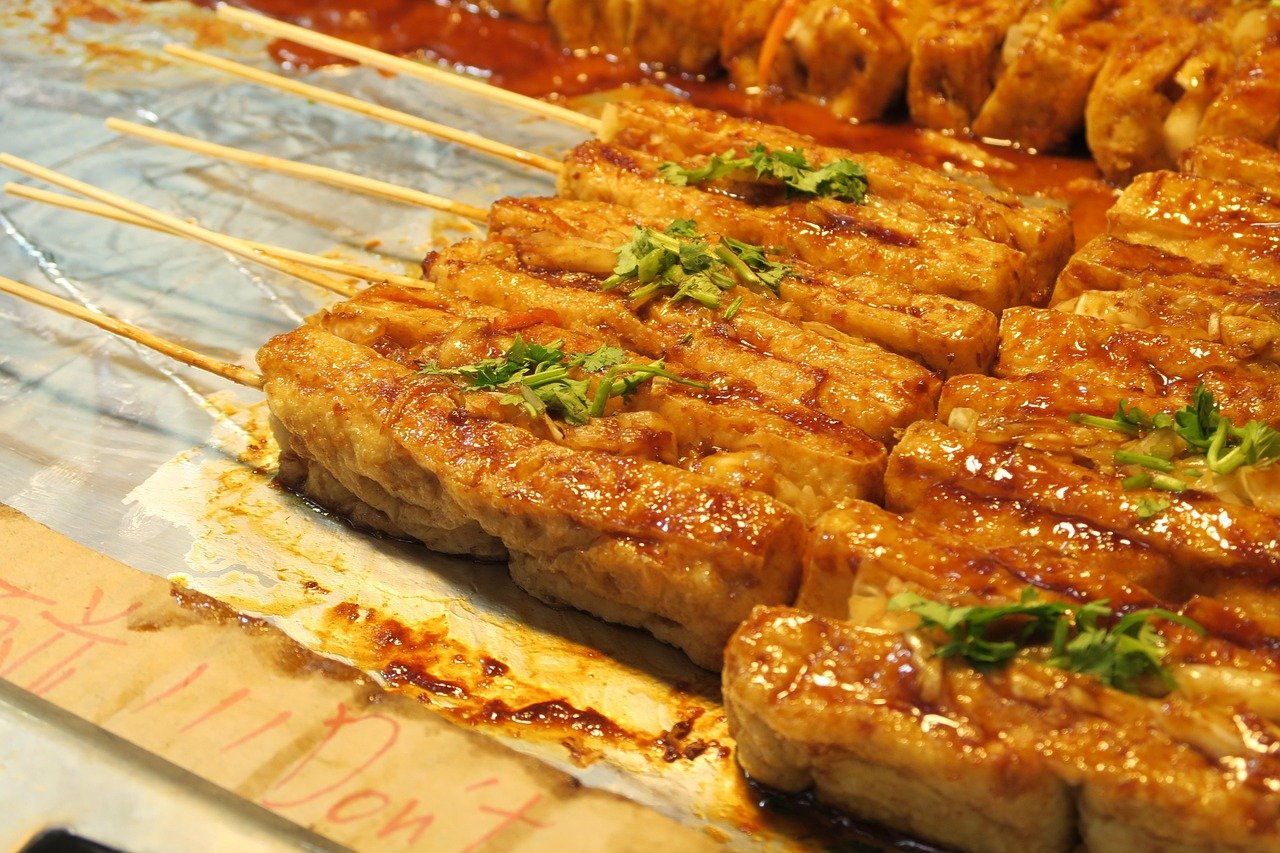
Tofu provides about 8g of protein per 100g, while tempeh — a fermented, denser soy product — offers closer to 19g per 100g along with a firmer texture that holds up well to grilling and pan-frying. Both are complete proteins, since soy is one of the few plant sources containing all essential amino acids in solid amounts.
Lentils and Beans
Lentils deliver roughly 9g of protein per 100g cooked, alongside a significant amount of fiber that supports digestion and fullness. Black beans, chickpeas, and kidney beans sit in a similar range, making legumes one of the most practical everyday protein bases for plant-based eaters.
Seitan
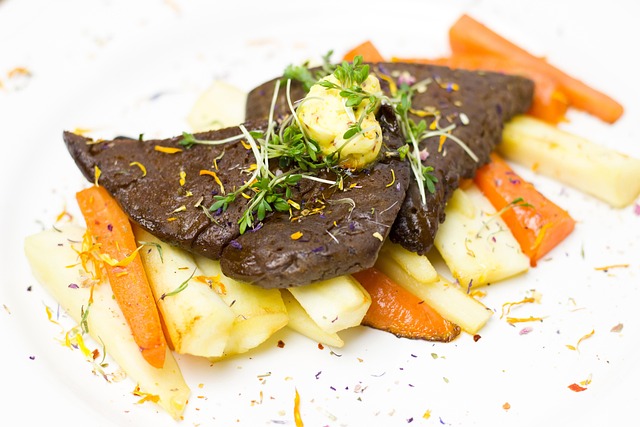
Made from wheat gluten, seitan is unusually protein-dense for a plant food — around 25g per 100g — with a chewy, meat-like texture that works well in stir-fries and sandwiches. Its one drawback: being wheat-based, it’s not an option for anyone avoiding gluten.
Edamame
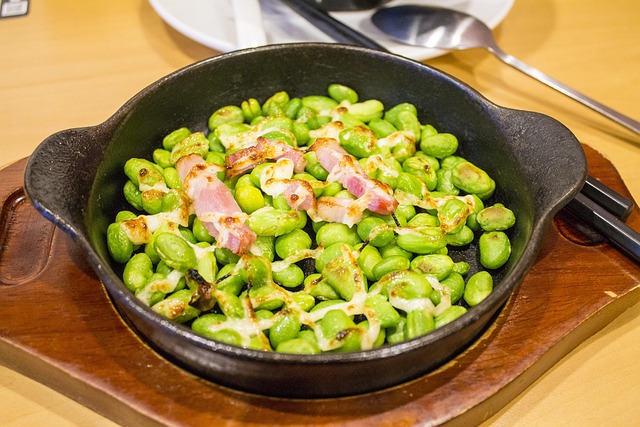
Young soybeans offer about 11g of protein per 100g along with fiber and micronutrients, making them a genuinely useful snack option rather than just a side dish.
Quinoa
Quinoa provides around 4–5g of protein per 100g cooked — lower than the sources above, but notable because it’s one of the few plant-based grains that’s a complete protein on its own, making it a solid base alongside a legume or tofu-based main.
Plant-Based Protein Powder (Pea, Rice, or Blends)
Pea protein isolate typically delivers 20–25g of protein per scoop and has a well-studied amino acid profile that performs comparably to whey in several muscle-building studies. Blended plant powders (pea plus rice, for example) often combine two sources specifically to round out each other’s amino acid gaps.
Nutritional Yeast
While not a primary protein source on its own (roughly 8g per 2 tablespoons), nutritional yeast adds a cheesy flavor to dishes while contributing a meaningful protein boost and, in fortified versions, vitamin B12 — a nutrient worth tracking separately on a vegan diet regardless of protein strategy.
A Sample Day Hitting 130g of Protein (Vegan)
| Meal | Food | Protein |
|---|---|---|
| Breakfast | Tofu scramble (200g tofu) + toast | ~20g |
| Snack | Edamame (150g) | ~16g |
| Lunch | Lentil and chickpea bowl (300g combined) | ~30g |
| Snack | Plant protein shake | ~25g |
| Dinner | Tempeh stir-fry (200g tempeh) + quinoa | ~40g |
This is one example structure — actual needs vary based on body weight and training goals (see our guide on daily protein needs for specifics).

Practical Tips for Hitting Your Target
- Don’t rely on vegetables for protein — even high-protein vegetables like broccoli contribute only 2–3g per 100g, nowhere near enough to build a meal’s protein around.
- Batch-cook legumes at the start of the week so a protein source is always ready rather than requiring prep at every meal.
- Use protein powder as a bridge, not a replacement — it’s a convenient way to close a gap on busy days, not a substitute for whole-food sources overall.
- Track for a week initially to see where your actual protein intake lands versus your target — most people underestimate until they see it written down.
Do Vegans Need More Total Protein?
Some research suggests slightly higher total protein intake may benefit plant-based eaters, partly due to marginally lower digestibility of some plant proteins compared to animal sources. Aiming toward the higher end of standard muscle-building ranges (around 0.8–1.0g per pound of body weight) is a reasonable, practical adjustment rather than a strict requirement.
The Bottom Line
Building muscle on a vegan diet isn’t a compromise — it just requires knowing which foods to lean on. Tofu, tempeh, lentils, seitan, and a quality plant-based protein powder cover the bulk of what’s needed, and with a bit of weekly planning, hitting a genuinely muscle-supportive protein target is entirely achievable without a single animal product.