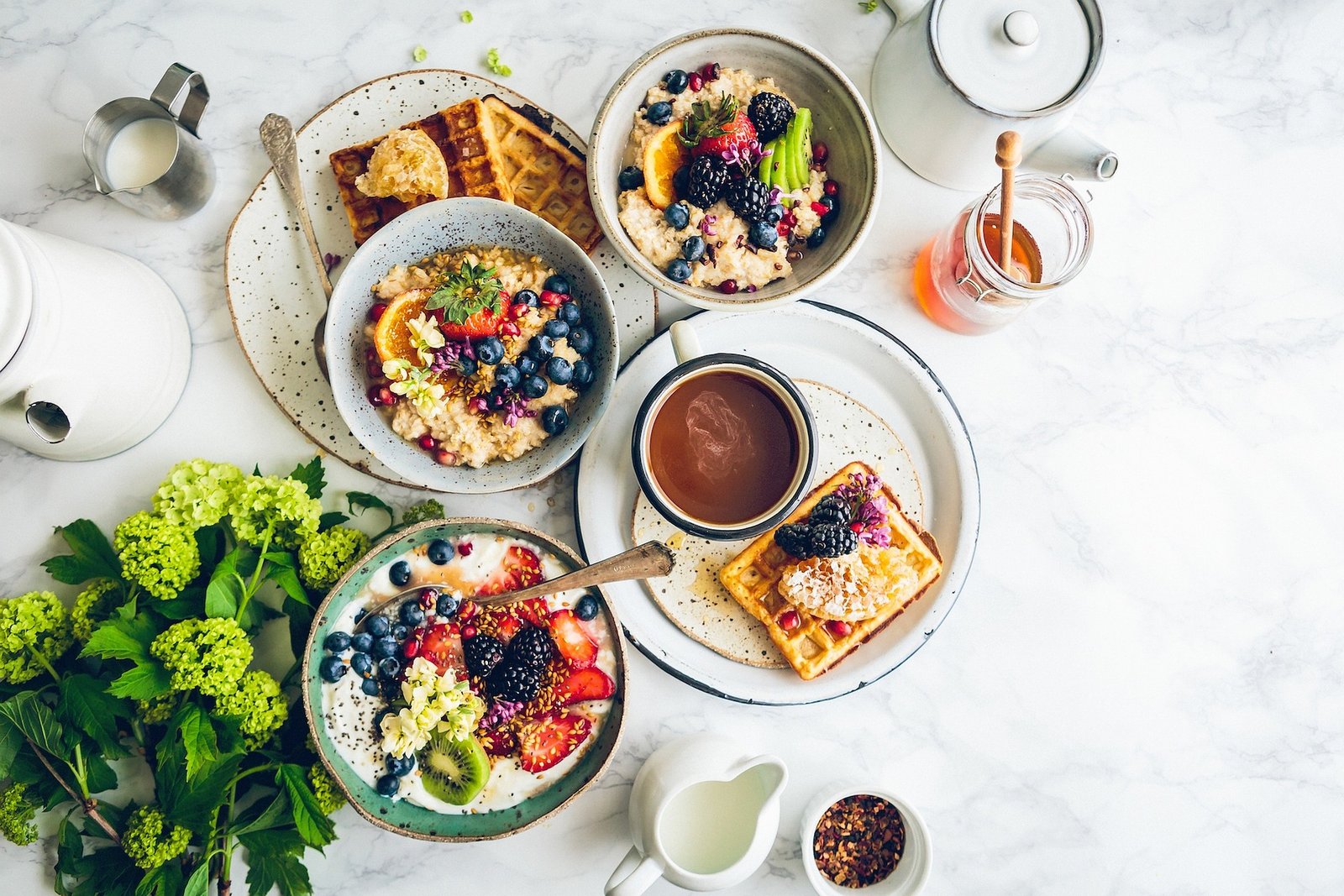
7 Healthy Breakfast Ideas That Keep You Full Until Lunch
You eat breakfast, feel fine for an hour, and then by 10:30 you’re raiding the office snack drawer or standing in front of the fridge wondering how you’re already hungry again. If that sounds familiar, the problem usually isn’t willpower — it’s the breakfast itself.
A bowl of cereal or a plain bagel spikes your blood sugar fast, then drops it just as fast, leaving you hungry again within an hour or two. The fix isn’t eating less — it’s eating breakfasts built around the three things that actually create lasting fullness: protein, fiber, and healthy fat.
Below are seven breakfast ideas built around that formula, along with why each one works and how to adjust them to fit your morning.
What Actually Makes a Breakfast Filling?
Before the list, it helps to know what you’re aiming for, since it makes it easy to build your own combinations later.
Protein slows digestion and triggers hormones that signal fullness to your brain. Aim for roughly 20-30 grams at breakfast — a genuinely different experience than the 5-6 grams in a bowl of cereal.
Fiber adds bulk and slows how quickly food leaves your stomach. Foods like oats, berries, and vegetables digest far more slowly than refined grains.
Healthy fats (avocado, nuts, olive oil, eggs) slow digestion further and help your body absorb certain vitamins, while adding staying power that carbs alone can’t provide.
Refined carbs and added sugar do the opposite — they digest fast, spike blood sugar, and leave you hungry again within an hour or two once that sugar crashes.
1. Greek Yogurt Bowl With Berries, Nuts, and Chia Seeds
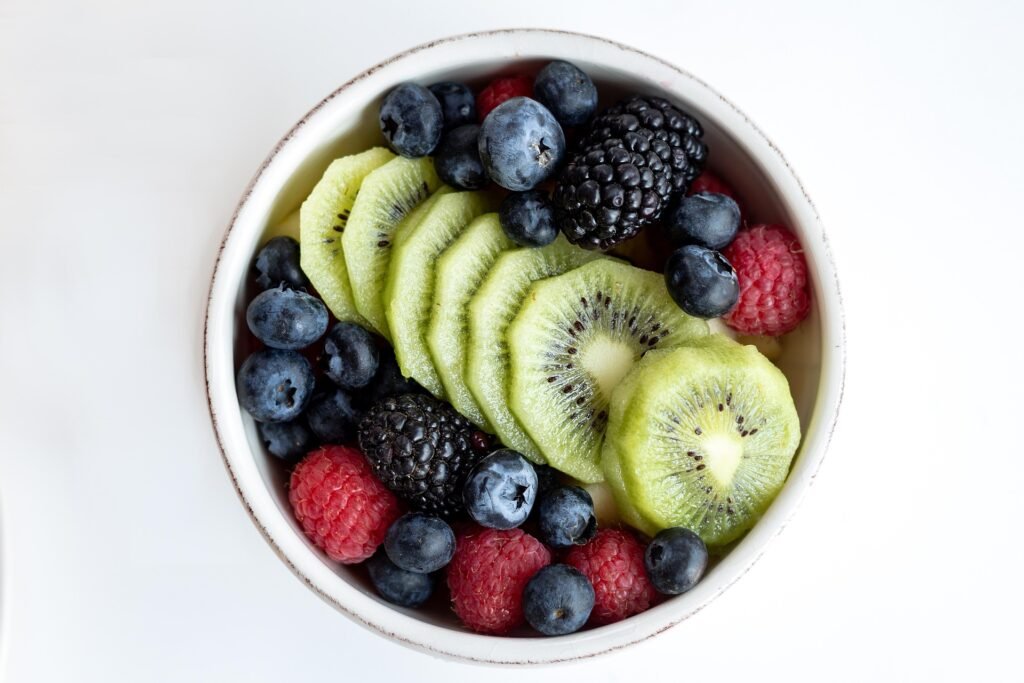
Plain Greek yogurt has roughly three times the protein of regular yogurt, making it one of the simplest high-protein breakfast bases available. Top a cup with a handful of berries, a tablespoon of chia seeds, and a small handful of almonds or walnuts.
This combination checks every box: protein from the yogurt, fiber and antioxidants from the berries, and healthy fat from the nuts and chia. It also takes under two minutes to put together, which matters on the mornings you’re rushing out the door.
Tip: skip flavored yogurts, which often contain as much added sugar as a candy bar. Plain yogurt with fresh fruit gives you natural sweetness without the sugar crash later.
2. Veggie and Egg Scramble
Two to three eggs scrambled with spinach, bell peppers, onions, and a sprinkle of cheese delivers around 20 grams of protein along with fiber and micronutrients from the vegetables. Eggs are also one of the few foods that contain a genuinely complete amino acid profile, meaning your body can use the protein efficiently.
Cook a batch of the vegetable mix on Sunday and portion it into containers — on a weekday morning, it’s just crack the eggs and scramble, cutting prep time to under five minutes.
3. Overnight Oats With Protein Powder and Peanut Butter
Combine half a cup of rolled oats, a scoop of protein powder, a tablespoon of peanut butter, and milk (dairy or plant-based) in a jar the night before. By morning, the oats have softened into a creamy, ready-to-eat texture.
Oats bring soluble fiber that’s specifically been shown to extend fullness, while the protein powder and peanut butter round out the protein and fat side of the equation. It’s also entirely portable, which makes it a solid option for anyone commuting or eating at a desk
4. Avocado Toast With a Fried Egg
Whole grain toast topped with mashed avocado and a fried egg is a genuine upgrade from plain avocado toast, since the egg roughly doubles the protein content and turns a snack-sized dish into a real breakfast.
Choose a dense, whole grain or sprouted bread over white bread — the extra fiber slows digestion meaningfully compared to a refined white slice, which is where a lot of “healthy” avocado toast quietly falls short.
5. Cottage Cheese With Fruit and Granola
Cottage cheese is one of the highest-protein dairy options available, often delivering close to 25 grams per cup, yet it gets overlooked because of its texture. Pairing it with sliced fruit and a small sprinkle of granola smooths that out while adding fiber and natural sweetness.
Tip: choose a granola with under 8 grams of sugar per serving, and measure it rather than pouring freely — granola is calorie-dense and easy to overdo.
6. Smoothie With Protein, Greens, and Nut Butter
A smoothie can go either way — it can be a sugar bomb in disguise, or a genuinely balanced meal, depending entirely on what goes into it. Blend a scoop of protein powder, a handful of spinach, half a frozen banana, a tablespoon of nut butter, and unsweetened almond milk.
This combination hits all three fullness factors while being fully customizable and ready in under three minutes — useful for anyone who genuinely doesn’t have time to sit down and eat in the morning.
Avoid the common mistake of using fruit juice as the base, which adds sugar without the fiber that whole fruit provides — stick with milk, water, or unsweetened plant milk instead
7. Whole Grain Toast With Almond Butter and Sliced Banana
For a simpler option that still holds up, two slices of whole grain toast topped with almond butter and sliced banana combine fiber from the bread, healthy fat and some protein from the almond butter, and quick natural energy from the banana.
It’s not as protein-heavy as some of the other options here, so if you tend to get hungry again by mid-morning, add a hard-boiled egg on the side to round it out to roughly 20 grams of protein total.

How to Build Your Own Filling Breakfast
Once you understand the protein-fiber-fat formula, you don’t need to follow a recipe exactly. A simple mental checklist:
- Pick a protein source (eggs, Greek yogurt, cottage cheese, protein powder)
- Add a fiber source (oats, berries, whole grain bread, vegetables)
- Include a healthy fat (nuts, seeds, avocado, nut butter)
Mix and match from that list, and most combinations will naturally keep you full longer than a plain bowl of cereal or a pastry ever could.
Frequently Asked Questions
What is the most filling healthy breakfast? Breakfasts combining protein, fiber, and healthy fat tend to be the most filling — think eggs with vegetables, or Greek yogurt with berries and nuts. Protein in particular is the strongest driver of fullness, so prioritizing it first tends to make the biggest difference.
Why do I get hungry an hour after eating breakfast? This usually happens after a high-sugar, low-protein breakfast, like cereal, pastries, or juice. Blood sugar spikes quickly and then drops, triggering hunger again well before your next meal is due.
How much protein should I eat at breakfast? Aiming for roughly 20-30 grams of protein at breakfast is a solid general target for lasting fullness, based on how protein affects hunger-regulating hormones. Most traditional breakfasts (cereal, toast, a plain bagel) fall well short of this.
Are overnight oats actually healthy? Yes, when made with whole rolled oats, a protein source, and minimal added sugar. Overnight oats made with instant, heavily processed oats and a lot of added sweeteners lose much of that benefit, so check the label if you’re buying pre-made versions.
Can a smoothie be a healthy breakfast? It can, as long as it includes protein and isn’t built primarily around fruit juice or large amounts of fruit alone. A smoothie with protein powder, a source of fat like nut butter, and greens is a genuinely balanced option; a fruit-only smoothie behaves more like a sugary drink.
Key Takeaways
The breakfasts that actually keep you full share the same underlying formula: protein, fiber, and healthy fat, working together to slow digestion and steady your blood sugar. Any of the seven options above delivers on that formula, and once you understand why they work, you can build endless variations that fit your schedule and taste.
If mid-morning energy crashes are still an issue even with a better breakfast, it’s worth looking at your overall meal timing and hydration throughout the day — and if hunger or energy issues persist despite consistent changes, a conversation with a doctor or dietitian is a reasonable next step.