

How to Fix Bad Posture Fast If You Sit at a Desk All Day
Your neck’s stiff by lunchtime. Your shoulders creep up toward your ears without you even noticing. And by 5pm your lower back feels like it’s been in a fight. If you sit at a desk all day, this is probably just… normal life at this point.
Here’s the thing — it doesn’t have to be. Bad posture isn’t some permanent condition you’re stuck with because you have a desk job. It’s mostly a habit, and habits can be changed. You don’t need a fancy chair or a standing desk that costs more than your rent. You need a few small daily adjustments that actually target what’s going wrong.
In this guide, I’ll walk you through why desk work wrecks your posture in the first place, the fastest fixes you can do today, and the habits that keep it from creeping back next week.

Why Sitting All Day Messes With Your Posture
It’s not really the sitting itself that’s the problem — it’s the sitting still, in the same position, for hours without a break.
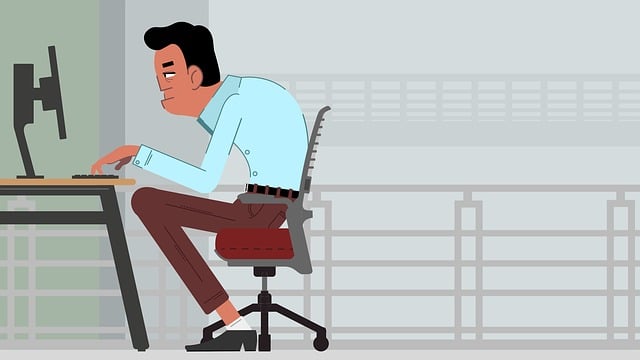
When you sit for long stretches, a few things happen at once. Your hip flexors (the muscles at the front of your hips) get tight and shortened, which pulls your pelvis forward and makes your lower back arch more than it should. Your chest muscles tighten too, which rounds your shoulders forward. And meanwhile, the muscles that are supposed to be holding you upright — your upper back and core — basically switch off because they’re not being asked to do anything.
So you end up with a slouched, forward-hunched posture that feels almost impossible to sit out of by the afternoon. It’s not weakness, exactly. It’s more like your body adapting to whatever position you put it in most.
The Fast Fixes: Do These Today
These won’t “cure” years of desk posture overnight, but they make a real, noticeable difference within a day or two — and they take almost no time.
Fix Your Screen Height First
If your monitor sits lower than eye level, you’re tipping your head forward and down to look at it, all day, every day. That’s a huge chunk of why your neck hurts.
Raise your screen so the top of it lines up roughly with your eyes. Stack some books under a laptop, get a cheap monitor stand, whatever works. This one change alone takes a lot of pressure off your neck almost immediately.
Stop “Perching” on the Edge of Your Chair
A lot of people sit with their hips forward and their back not actually touching the chair. It feels normal until you notice you’re basically holding yourself up with your lower back the whole day.
Sit all the way back so your back touches the chair, feet flat on the floor, knees roughly level with your hips. If your chair doesn’t support your lower back well, even a rolled-up towel behind you can help.
Set a Move Reminder
Nothing fixes posture faster than just not staying still for four hours straight. Set a timer for every 30-45 minutes and stand up, even just for 30 seconds. Roll your shoulders back, stretch your arms overhead, walk to refill your water.
This sounds too simple to matter, but it’s honestly one of the biggest levers you have. Posture problems get worse the longer you stay locked in one position — breaking that up regularly changes everything.
Do the “Chin Tuck”
If your head juts forward toward the screen (it probably does — most people’s does), try this: gently pull your chin straight back, like you’re making a double chin on purpose, without tilting your head up or down. Hold it for a few seconds, repeat 10 times.
It looks a little silly, but it directly targets forward head posture, which is one of the main things making your neck and upper back hurt from desk work.

What’s Actually Causing Your Pain (And How to Fix It Long-Term)
The quick fixes above help right away, but if you want posture that actually holds up over months, not just for an afternoon, you need to address the muscle imbalances underneath it.
Tight hip flexors from sitting pull your pelvis forward and make your lower back arch. A simple kneeling hip flexor stretch, held for 30 seconds on each side, done daily, makes a real difference over a couple of weeks.
Tight chest muscles pull your shoulders forward into that rounded, hunched look. Doorway chest stretches — standing in a doorway, arm bent at 90 degrees against the frame, gently leaning forward — loosen this up over time.
Weak upper back muscles are often the missing piece people skip. Your chest gets tight because it’s overused, and your upper back gets weak because it’s underused. Simple rows, band pull-aparts, or even just squeezing your shoulder blades together for a few seconds throughout the day (yes, right at your desk) help rebuild the strength that holds good posture in place.
A weak core also plays a bigger role than people expect. Your core isn’t just about how your stomach looks — it’s what keeps your spine stable and upright when you’re sitting or standing for long periods. Basic planks or dead bugs, a few times a week, go a long way here.
None of this needs to be a full gym program. Ten minutes, three or four times a week, aimed at these specific areas will outperform an hour-long workout that ignores them completely.

Setting Up Your Desk So Posture Fixes Itself
Habits help, but your environment matters just as much — maybe more, since it works even when you forget to think about it.
Monitor: top of the screen at eye level, about an arm’s length away.
Chair: feet flat on the floor (or on a footrest if your chair’s too high), knees around hip height, lower back supported.
Keyboard and mouse: close enough that your elbows stay near your sides, roughly at a 90-degree angle, not stretched forward.
Phone calls: use headphones or speaker instead of cradling your phone between your ear and shoulder. That one habit alone causes a surprising amount of neck and shoulder tension.
If your setup fights against good posture, no amount of willpower is going to win that battle for eight hours straight, five days a week.
How Long Until You Actually Feel a Difference?
Screen height and chair positioning — you’ll likely feel a difference within a day, sometimes even within an hour. Less neck strain, less lower back ache by the end of the day.
Movement breaks and the chin tuck exercise — noticeable within a few days to a week, especially if you’re consistent about the timer.
Stretching and strengthening the underlying muscle imbalances — this takes longer, usually two to four weeks of consistent effort, but it’s what actually prevents the problem from just coming right back the moment you get busy and stop paying attention.
Basically: quick fixes reduce the pain now, and the strengthening work stops it from returning.
Common Questions About Desk Posture
Can bad posture be fixed, or is it permanent once you have a desk job? It can absolutely be fixed. Posture is mostly a pattern built from repeated habits, not a fixed condition. Adjusting your setup, moving more often, and strengthening the right muscles can noticeably improve posture within a few weeks, even for people who’ve had a desk job for years.
What’s the fastest way to fix neck pain from sitting at a desk? Raising your monitor to eye level and doing chin tuck exercises a few times a day usually bring the fastest relief, often within a day or two, since they directly address forward head posture — one of the biggest causes of desk-related neck pain.
Do standing desks actually fix posture? They help, but mostly because they encourage more movement and position changes, not because standing itself is automatically better than sitting. Standing still in bad posture for hours causes similar problems to sitting still in bad posture. Alternating between sitting and standing, combined with regular movement, works better than either position alone.
How often should I take breaks to improve posture? Standing up or changing position every 30-45 minutes is a solid target for most people. Even a short break — rolling your shoulders, stretching for 30 seconds — helps prevent the stiffness and slouching that builds up from staying still too long.
Why does my posture feel fine in the morning but terrible by the afternoon? This usually comes down to fatigue in the muscles holding you upright, especially your upper back and core. As those muscles tire over the day, your body defaults to a more slouched position that takes less active effort, even though it feels worse.
The Bottom Line
Bad desk posture isn’t something you’re stuck with — it’s a pattern built from hours of the same position, day after day. Fix your screen height, stop perching on the edge of your chair, move every 30-45 minutes, and add a few minutes of stretching and strengthening a few times a week. The quick fixes bring relief almost immediately; the strengthening work is what keeps it from creeping back.
If pain persists even after a few weeks of consistent changes, it’s worth checking in with a physical therapist — they can spot specific imbalances that are hard to catch on your own. Otherwise, start with your screen height today. It’s the easiest win on this whole list.