
Best Recovery Techniques After a Workout: What Actually Works
Recovery is where the actual adaptation happens. Training creates the stimulus — small amounts of muscle damage and stress that signal your body to get stronger, but the actual rebuilding happens afterward, during rest. Skip or shortcut that recovery process consistently, and you end up training hard without the results to show for it, or worse, sliding into overuse injuries and burnout.
The tricky part is that the recovery industry is full of products and techniques with far more marketing than evidence behind them. Here’s what’s actually worth prioritizing, and what’s mostly optional.

The Big Three: Sleep, Protein, and Hydration
Before getting into specific techniques, it’s worth being direct about something: no recovery tool outperforms the fundamentals. Sleep, adequate protein intake, and proper hydration do more for recovery than any gadget or technique on this list — everything below works best as a supplement to these, not a replacement for them.

1. Prioritize Sleep Above Almost Everything Else
The majority of muscle repair and growth hormone release happens during deep sleep. Consistently getting less than 7 hours measurably impairs recovery, increases perceived soreness, and raises injury risk compared to well-rested training. If you only fix one thing on this list, sleep has the strongest evidence behind it by a wide margin.
2. Active Recovery Over Complete Rest
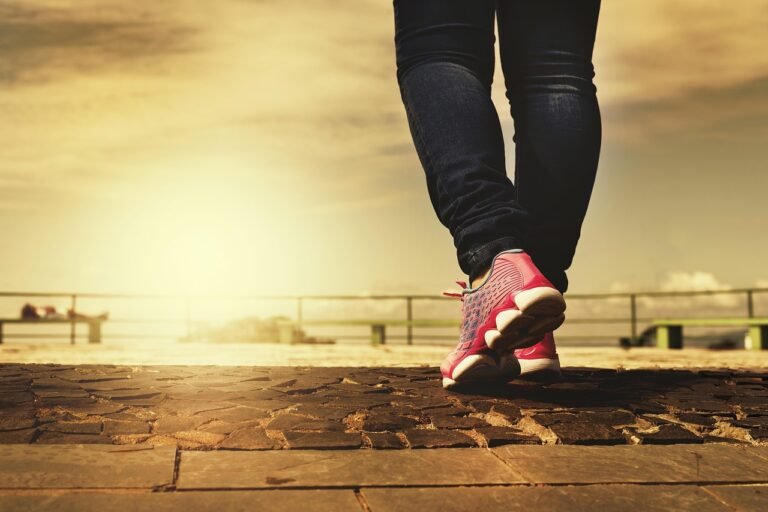
Light movement — an easy walk, gentle cycling, or a relaxed swim — on rest days increases blood flow to worked muscles without adding additional training stress. This modest increase in circulation helps clear metabolic byproducts and deliver nutrients faster than sitting completely still, making genuinely easy movement a better choice than total inactivity for most people.

3. Protein Timing and Total Intake
Protein provides the building blocks for muscle repair, and total daily intake matters more than precise post-workout timing (the old “30-minute anabolic window” has been shown to be far more flexible than once believed). That said, having a protein-containing meal or shake within a couple of hours of training remains a practical, easy way to make sure that intake actually happens rather than getting skipped in a busy day.
4. Static Stretching and Mobility Work
Post-workout stretching doesn’t appear to significantly reduce next-day soreness on its own, but it does help maintain range of motion and can be a useful, low-effort way to transition out of a training state. Think of it as supporting long-term mobility rather than a dramatic recovery accelerant.
5. Foam Rolling
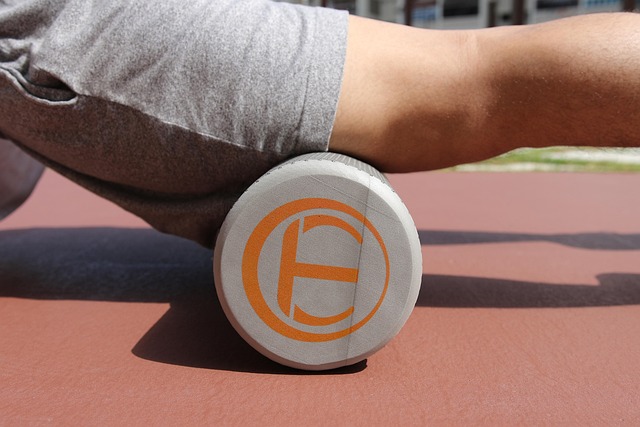
Foam rolling has reasonable evidence supporting short-term improvements in soreness and range of motion, likely through increased blood flow and nervous system effects rather than any actual change to muscle tissue structure. It’s a low-cost, low-risk technique worth including, even if the effect size is modest rather than dramatic.
6. Cold Water Immersion — Mixed Evidence, Use Selectively
Ice baths and cold plunges have research support for reducing perceived soreness in the short term, but some studies suggest they may also blunt the muscle-building adaptations from strength training when used too frequently or too soon after lifting. Cold immersion may make more sense after endurance events or competitions where next-day recovery matters more than long-term muscle adaptation, and less sense as a daily habit after every strength session.

7. Massage and Compression
Massage shows modest evidence for reducing perceived soreness and improving subjective recovery, similar in magnitude to foam rolling. Compression garments have weaker, more mixed evidence — some studies show mild benefits for perceived soreness, though the effect on actual muscle recovery markers is inconsistent.
8. Manage Stress Alongside Physical Recovery
Chronic psychological stress elevates cortisol and can measurably slow physical recovery independent of sleep and nutrition. This is easy to overlook because it doesn’t feel directly related to training, but someone under high life stress often needs more recovery time than the same training program would require during a calmer period.
Recovery Techniques With Weaker Evidence
A few popular recovery tools have less rigorous support than their marketing suggests:
- Infrared saunas — some evidence for relaxation and mild circulation benefits, but limited high-quality research specifically on athletic recovery.
- Percussion massage guns — feel effective and may offer short-term relief similar to regular massage, but haven’t been shown to meaningfully outperform simpler tools like foam rolling.
- Specific “recovery” supplements beyond standard protein, creatine, and adequate carbohydrate intake generally lack strong independent evidence for most recreational trainees.
None of these are harmful to include if you enjoy them — they’re just not essential the way sleep, protein, and basic movement are.
Building a Practical Recovery Routine
A reasonable, sustainable recovery approach for most people training regularly:
- Daily: Prioritize 7–9 hours of sleep and adequate protein intake
- On rest days: Light active recovery (a walk or easy bike ride) rather than complete inactivity
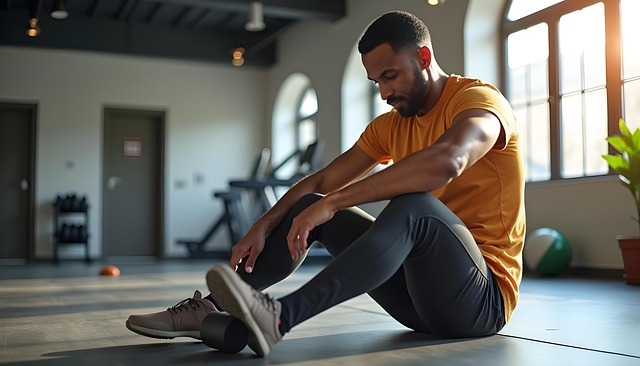
- After hard sessions: 5–10 minutes of foam rolling or stretching
- Occasionally: Massage or a sauna session if accessible and enjoyable — a nice addition, not a requirement
The Bottom Line
Recovery doesn’t require an expensive toolkit. Sleep, protein, hydration, and light movement on rest days account for the overwhelming majority of what determines how well you bounce back between sessions. Foam rolling, stretching, and massage offer real but modest additional benefits worth including — while more elaborate tools like cold plunges and percussion guns are optional extras, not the foundation of an effective recovery routine.