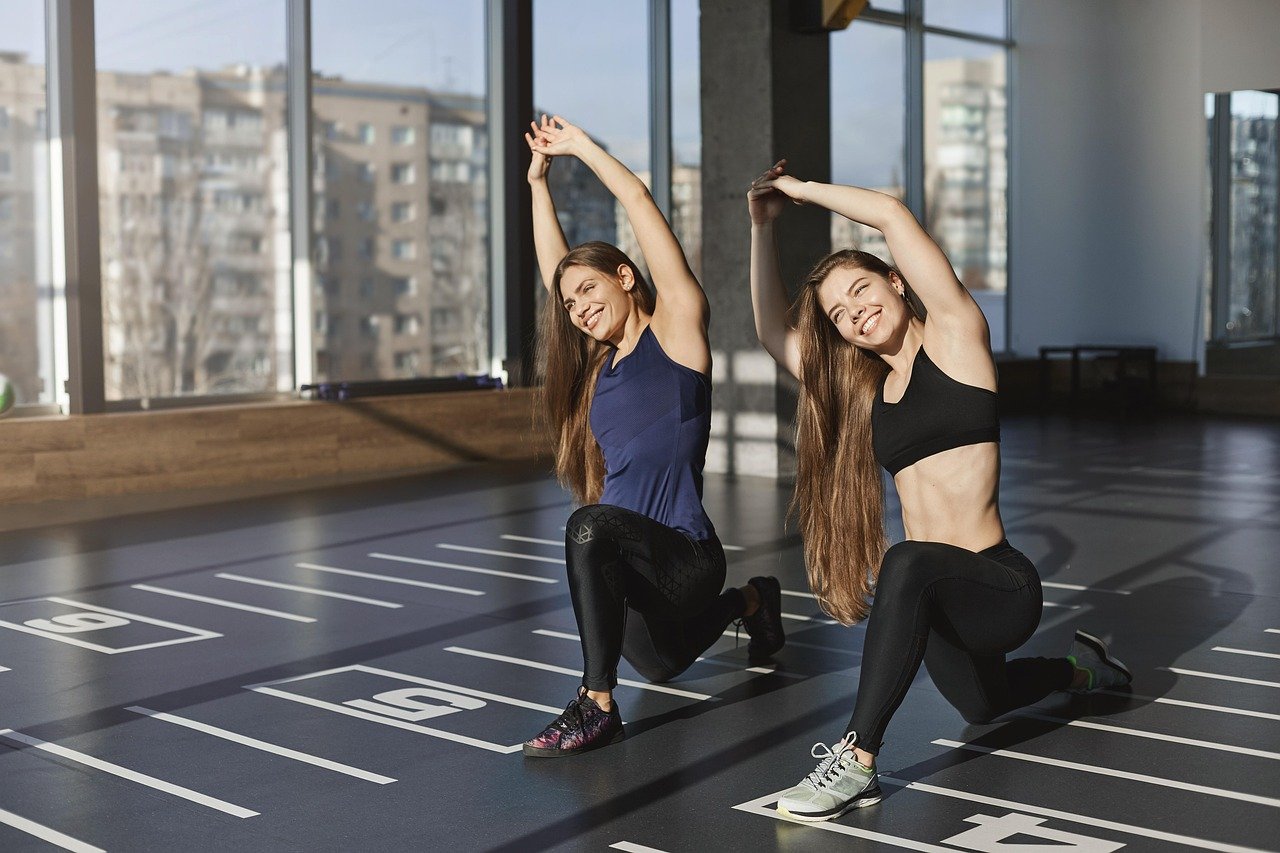
How to Start Lifting Weights at Home (Without Feeling Intimidated)
Are you thinking about doing some weightlifting at home but are a little anxious? Without a doubt, you’re not alone. Many novices wish to begin strength training, but they are concerned about performing exercises incorrectly, purchasing the inappropriate equipment, or just not knowing where to start.
The good news is that you can start without years of experience or a costly home gym. In actuality, some of the most successful fitness journeys start with only a couple of dumbbells, a little drive, and an openness to learning. There is no such thing as the ideal first workout; everyone starts somewhere.
The idea that weight training is reserved for bodybuilders or professional athletes is one of the most common myths about it. That is just untrue. Anyone who want to gain strength, enhance their health, boost their vitality, and boost their self-esteem should engage in strength training. Lifting weights can improve your physical and emotional well-being regardless of your age.
This guide is for you if you’ve been delaying it due to feelings of overwhelm or fear of making mistakes. We’ll go over everything you need to know about lifting weights at home, from selecting the appropriate gear to boosting self-esteem and developing a successful regimen.

The Benefits of Strength Training
It’s useful to know why strength training is such a beneficial habit before you pick up your first dumbbell.
Many people believe that lifting weights is just about gaining muscle, but there are many other advantages as well. Frequent strength training increases your metabolism, promotes healthy joints, increases bone density, and facilitates daily tasks. As you gain strength, it becomes much easier to carry groceries, walk stairs, move large items, and even play with your children.
Seeing your improvement gives you confidence, which is another advantage. You are reminded that you are getting stronger every day with each additional repeat, slightly heavier weight, and finished workout.
The best part is that you may enjoy these advantages without a commercial gym. You can make significant progress from your living room with a little perseverance.
Give Up Your Fear of Beginning
It’s quite normal to feel intimidated. Nearly all beginners have puzzled about things like:
“What if I don’t know what I’m doing?” “What if I choose the wrong exercises?”
“What if I’m not strong enough?”
In actuality, no one begins as an expert. Everyone gains knowledge via practice, and making tiny errors is a necessary part of the process.
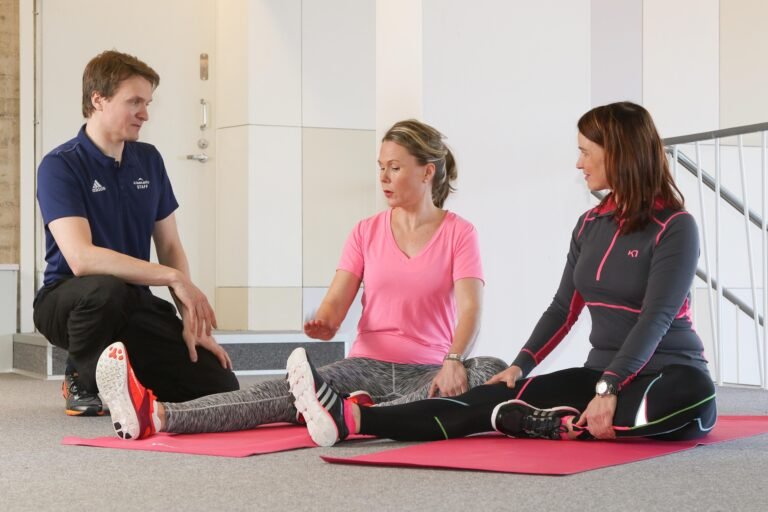
Focus on learning one exercise at a time rather than attempting to know everything before you start. On the first day, you don’t require a complex exercise regimen. All you have to do is make the initial move.
Recall that confidence develops as a result of beginning.
Selecting Appropriate Equipment
People may put off lifting weights at home because they believe they require a room full of pricey equipment. Luckily, that is untrue.
With a few simple pieces, you can create a productive at-home exercise system.
Dumbbells that are adjustable
Adjustable dumbbells are an excellent option if you can only purchase one piece of equipment. They don’t require you to have numerous sets of dumbbells in your house, so you can raise the weight as you get stronger.
They may be used for dozens of various exercises and are small and adaptable.
Bands of Resistance
Resistance bands are surprisingly effective, lightweight, and reasonably priced. They are particularly helpful for novices who wish to gradually increase their strength because they add resistance to a variety of motions.
They are also ideal for small spaces
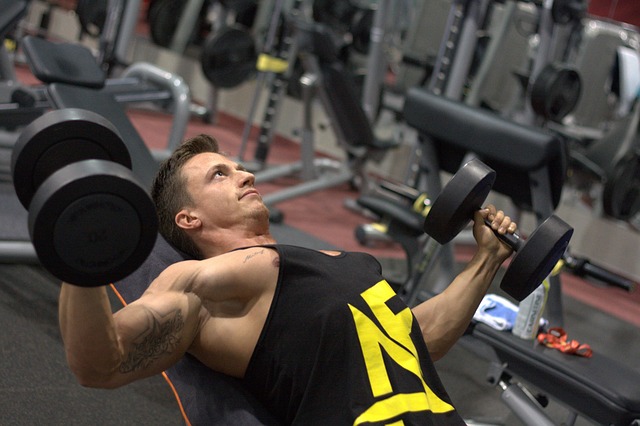
Bench for Exercise (Optional)
When you’re just starting out, a bench isn’t necessary, but it does provide you with more workout choices.
If you have the money, you may add one later to increase the variety of your workouts.
Physical Mat
Stretching, glute bridges, planks, and other floor workouts are made more comfortable with a basic exercise mat. It also aids in preventing equipment damage to your floors.
Don’t forget that you don’t need everything right away. Begin with basics and add equipment as your expertise and self-assurance increase.
Start by Learning the Fundamental Movements
Attempting advanced workouts before mastering the fundamentals is one of the biggest blunders beginners make.
Instead of diving right into complex routines, concentrate on a few fundamental exercises that will develop your complete body.
These comprise:
- Squats and lunge
- Rows with dumbbells
- Shoulder presses
- The chest press
- Romanian lifters
- Curls for the biceps
- Stretching the triceps
The main muscular groups are targeted by these workouts, which offer a great starting point for further development.
Use minimal weights or no weights at all when learning a new exercise. Before raising the resistance, practice the technique until it comes naturally to you.
It’s always preferable to lift bigger weights with good form than with bad technique.

Start with Quick, Easy Exercises
Many novices think that every workout must be longer than an hour. In actuality, when you’re just starting out, shorter exercises are frequently more beneficial.
Try to keep your workouts between thirty and forty-five minutes. You can train your main muscle groups in this amount of time without feeling overburdened.
For novices, a basic full-body program done three times a week is more than sufficient.
You can progressively raise the volume of your workouts, incorporate new exercises, or train more frequently as your fitness level rises.
Instead of attempting to do too much too fast, the idea is to establish a pattern that seems sustainable and reasonable.
Establish a Basic Beginner Routine
Creating a fitness routine that you can follow is the next step after preparing your equipment. The most common error made by novices is attempting to replicate sophisticated exercise regimens they come across online. These routines sometimes involve an excessive number of exercises and need for experience that most novices just do not yet possess.
Rather, make things easy.
An excellent place to start is with a full-body exercise three times a week. This helps you continuously gain strength while allowing your muscles adequate time to heal.
Here is an illustration of a regimen suitable for beginners:
Exercise A
Dumbbell or bodyweight squats: three sets of ten to twelve repetitions
Dumbbell Chest Press: 3 sets of 10 repetitions
Dumbbell Rows: 3 sets of 10 repetitions
Shoulder Press: 2 sets of 10 repetitions
Hold the plank for 20 to 30 seconds.
In order to give your muscles time to recover, take a day off in between workouts. Since your body heals itself and grows stronger during recovery, it is equally as vital as exercise.
Gradually raise the weight or add a few more repetitions when the workouts start to feel easier. Over time, little weekly gains add up to significant outcomes.

Value Good Form Over Heavy Weights
It’s easy to raise the weight as soon as one begins lifting weights at home. Although lifting something bigger might be thrilling, improper technique can hinder your progress and raise your risk of injury.
Lifting the heaviest dumbbells in the room shouldn’t be your objective. Your objective should be to execute each maneuver with control.
Throughout each exercise, move carefully, maintain good posture, and observe how your muscles are functioning. The weight may be too heavy if you find yourself swinging the weights or losing your equilibrium.
Using lesser weights when learning is perfectly OK. Actually, forming positive habits at a young age will help you advance more quickly later on.

Maintain Your Motivation When Exercise at Home
Maintaining motivation is a struggle while training weights at home. It’s simple to become sidetracked by your phone, TV, or housework in the absence of a gym setting.
Treating your workouts like a significant appointment is the greatest approach to maintain consistency.
Set up a consistent time each day, mark it in your calendar, and try your best to adhere to it.
Establishing a specific area for exercise might also be beneficial. Your workouts can feel more structured if you have your dumbbells, mat, and water bottle in a small section rather than a whole room.
You may stay focused and enjoy exercising more by listening to your favorite podcast or music.
Keep in mind that motivation fluctuates. Establishing a regimen is far more dependable than waiting until you “feel like” working out.
Track Your Growth
Particularly in the initial weeks, progress isn’t always apparent in the mirror. This is why it’s so crucial to keep track of your workouts.
To keep track of the exercises you do, the weights you use, and the number of repetitions you execute, keep a notepad or use a fitness app.
It’s really inspiring to look back after a month and see how much stronger you’ve grown.
Every four weeks, you can also take pictures of your development. Over time, little bodily changes are more noticeable than they are on a daily basis.
No matter how tiny the change may seem, it should be celebrated. You’re making progress when you finish a workout more comfortably, perform an additional repetition, or lift a slightly heavier weight.

Typical Beginner Errors to Avoid
Try to steer clear of a few typical blunders that could impede your growth while you continue to lift weights at home.
Skipping workouts because you believe you need to work out for an hour is one mistake. If you are consistent, even a 30-minute workout is worthwhile.
Changing your routine every week is another mistake. Before changing exercises, give your body some time to adjust. You can more precisely gauge your development if you stick with a program for a few weeks.
Lastly, don’t overlook sleep and nourishment. Strength training is most effective when it is accompanied by a healthy diet, adequate protein, adequate water, and restful sleep.
Fitness is more than simply what happens when you work out; it’s also about how you treat your body afterward.
Last Words
It doesn’t have to be scary to start lifting weights at home. You don’t need years of knowledge, or pricey equipment to get started. The most important thing is to start and keep going. Not Stop
Simplify your exercises, concentrate the right form, and allow yourself time to grow. With each session, you have the chance to improve your strength, health, and self-assurance.
Don’t stress over being flawless or evaluating yourself against other people. Everybody has a unique fitness path, and everyone’s improvement looks different. You just have to compete with yourself.
You’ll probably find that working out at home is not only practical but also fun as you gain strength and self-assurance. You may attain remarkable outcomes without ever entering a commercial gym if you have perseverance, consistency, and the correct attitude.
Recall that all experts were once novices. The distinction is that they just got started rather than waiting until they felt fully prepared. So pick up your dumbbells, make some room, and start now. You’ll be happy you did in the future.