
10 “Healthy” Foods That Are Secretly Sabotaging Your Goals
One of the best things you can do for your body is to eat healthily. However, many people are surprised to learn that not all “healthy” foods will help you achieve your fitness objectives. In actuality, several goods that appear nutritious on the surface are actually loaded with extra calories, bad fats, or hidden sweets that might impede your progress without you even recognizing it.
To make their products appear healthier than they actually are, many food firms utilize terms like natural, organic, low-fat, or high-protein. These labels don’t give the complete picture, even though they aren’t necessarily deceptive. It is possible for an organic food to have a high sugar content. It may have a low fat content but a lot of additional sweets to enhance the flavor.
Knowing what you’re putting on your plate is just as crucial as keeping track of your workouts if you’re aiming to lose weight, gain muscle, or just eat a better balanced diet. Daily dietary decisions can have a significant long-term effect.
That doesn’t imply you have to stick to a rigid diet or abstain from all sweets. Making educated decisions rather than falling for deceptive advertising is the aim. It’s lot simpler to develop healthy eating habits that genuinely help you achieve your objectives if you know which foods merit a second look.
Let’s examine ten nutritious foods that are undermining your objectives in more detail and find wiser substitutes that will keep you on course.
1. Yogurt with flavors
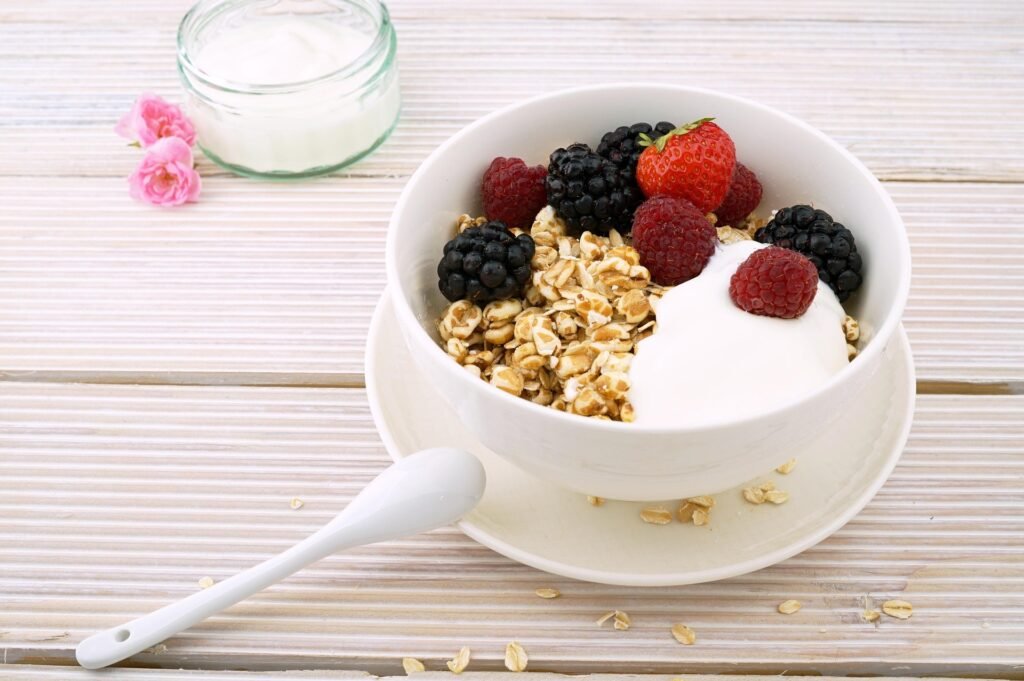
Due to its high protein and calcium content, yogurt is frequently marketed as a healthy snack. Although plain Greek yogurt is a great option, there are a lot of flavored varieties.
A dessert’s worth of added sugar can be found in some single-serving flavored yogurts. Sweet toppings, different types of cookies, and fruit flavors may rapidly transform a nutritious snack into a high-sugar confection.
Everything that is added to the yogurt is the issue, not the yogurt itself.
An Improved Option
Instead, use plain Greek yogurt and, if you want more sweetness, add your own fresh fruit, berries, or a tiny drizzle of honey.
You get less sugar, more protein, and more control over your diet as a result.
2. Granola
Because it contains oats, almonds, and seeds, granola has gained a reputation for being healthful. Even while such components are healthy, a lot of manufactured granolas still have a lot of sugar, oils, and syrups.
Granola is also very easy to overeat due to its high calorie content. Even before you add milk or yogurt, a seemingly tiny dish might include hundreds of calories.
An Improved Option
Pay close attention to serving sizes and thoroughly read the nutrition label.
Even better, use oats, almonds, cinnamon, and a tiny bit of natural sweetener to make your own granola at home. In this manner, you are fully aware of what is involved.

3. Smoothies
Although they seem like the ideal healthy breakfast or post-workout beverage, not all smoothies are made equally.
Fruit juice, flavored yogurt, ice cream, sweetened milk, or syrups significantly raise the sugar and calorie content of many store-bought smoothies.
In a single sitting, even fruit-only smoothies may contain more sugar than your body requires.
An Improved Option
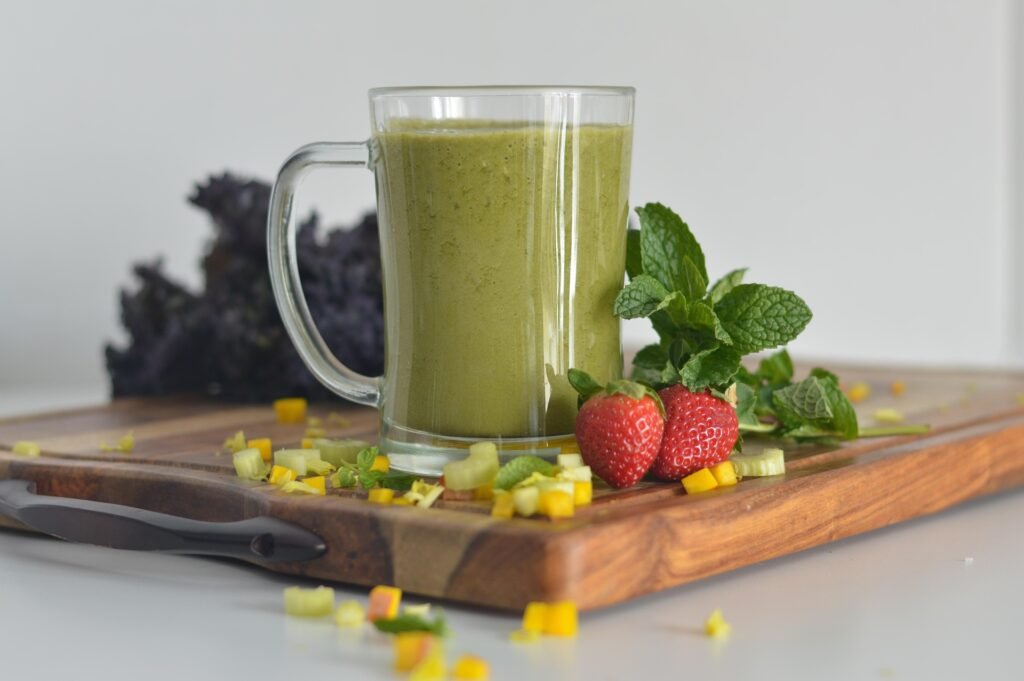
Make your smoothies at home with whole fruits, spinach, plain Greek yogurt, water or unsweetened milk, and protein powder if necessary.
You can also prolong your feeling of fullness by adding healthy fats like chia seeds or a teaspoon of peanut butter.
4. Bars of Protein
Although many protein bars are shockingly similar to candy bars, they are nonetheless useful, especially when you’re busy.
Some give only a minimal quantity of protein and are heavy in artificial additives, added sugar, and saturated fat.
It’s not always a healthy snack just because it says “high protein” on the wrapper.
An Improved Option
Seek out protein bars with little added sugar, a high protein content, and a brief ingredient list.
Choose entire foods whenever you can, such as a handful of nuts, cottage cheese, or boiled eggs.
They are frequently less processed and more satisfying.
5. Fruit Juice
Fruit juice, according to many, is just as healthful as eating the entire fruit.
Juice typically lacks the fiber that makes fruit so delicious, even though it does contain vitamins. It’s much simpler to consume a lot of natural sugar in a short period of time without that fiber.
If you consume multiple glasses of 100% fruit juice each day, it can rapidly add up.
An Improved Option
Whenever possible, choose entire fruit.
The natural fiber promotes improved blood sugar regulation, slows digestion, and makes you feel fuller.
If you like juice, consider it an occasional beverage rather than your main fruit intake.
The Importance of Reading Nutrition Labels
Spending a few extra seconds reading the nutrition label before purchasing packaged meals is one of the simplest ways to prevent healthy foods from undermining your objectives.
Be mindful of:
- Sugar addition
- Size of serving
- Calories, fiber, and protein content
- List of ingredients
Although the package’s front is meant to catch your eye, the nutrition label reveals the true tale.
Acquiring the ability to read it will enable you to make more informed decisions each time you purchase.
6. Cereals for breakfast
You can see boxes labeled “whole grain,” “high in fiber,” and “fortified with vitamins” as you stroll down the cereal aisle. A surprising amount of added sugar can be found in many popular cereals, even if some are very beneficial.
You might get a fast energy boost from a bowl of sugary cereal, but it usually doesn’t keep you full for very long. Before you know it, your hunger has back and you’re reaching for another food.
An Improved Option
Select whole grain, high-fiber cereals with less added sugar. Better still, try a bowl of plain oatmeal with a handful of nuts, cinnamon, and fresh fruit. It sustains your energy levels throughout the morning and is satisfying and nutritious
7. Fruit that has dried
In many respects, dried fruit is a healthier option than candies. It still has fiber, vitamins, and minerals. But one factor that many people fail to consider is portion size.
Fruit becomes significantly smaller when it is dried since the water is eliminated. This implies that eating the equivalent of multiple pieces of fruit in a few handfuls is quite simple. To make them tastier, some packaged dried fruits also have sugar added.
An Improved Option
Eat dried fruit in moderation and make sure there is no added sugar by looking at the ingredient list.
Choose fresh fruit whenever you can. Its water content makes it more satisfying and naturally aids in portion control.
8. Chips made of vegetables
Vegetable chips don’t always differ much from conventional potato chips, despite their name suggesting that they are a healthy snack.
Many are still excessively salted and deep-fried. They might have trace amounts of vegetable powder, but that doesn’t mean they are a healthy option.
The package may give the impression that you are eating veggies when, in reality, you are consuming a highly processed snack.
An Improved Option
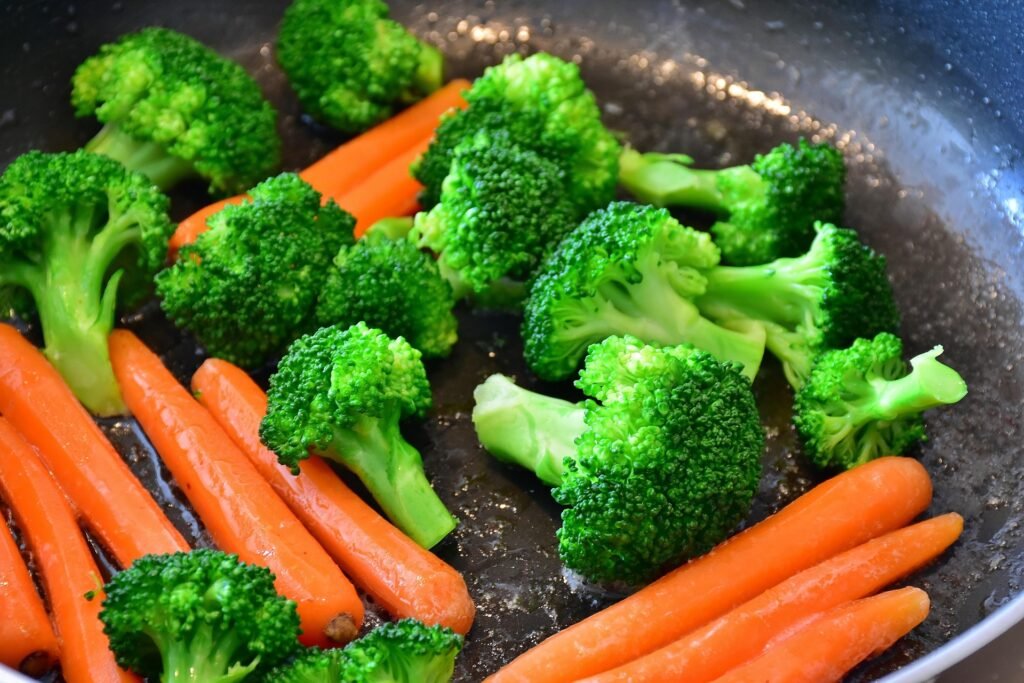
Try roasted chickpeas, bell peppers, carrots, or sliced cucumbers if you’re in the mood for something crunchy. These choices help you feel fuller for longer and offer more fiber and nutrients.
If you like veggie chips, consider them an occasional snack instead of a substitute for actual vegetables.
Try roasted chickpeas, bell peppers, carrots, or sliced cucumbers if you’re in the mood for something crunchy. These choices help you feel fuller for longer and offer more fiber and nutrients.
If you like veggie chips, consider them an occasional snack instead of a substitute for actual vegetables.
9. Fat-Free and Low-Fat Items
For a long time, a lot of people thought that food was automatically healthier when fat was removed. While certain low-fat items can be good options, many manufacturers use artificial chemicals, extra sugar, or starches to make up for the lost fat in order to enhance the flavor.
Because of this, you can find up consuming more calories than you anticipated but still experiencing hunger.
In fact, healthy fats are crucial for maintaining your level of satisfaction and promoting general health.
An Improved Option
Read the nutrition label before selecting low-fat goods.
When consumed in moderation, foods high in healthy fats, such as plain Greek yogurt, natural peanut butter, avocados, olive oil, almonds, and seeds, can be a part of a balanced diet.
Selecting the proper kind of fat is more important than avoiding fat entirely.
10. Store-Bought Dressings for Salads
Although salads are among the healthiest foods you can eat, their nutritional worth can be drastically altered by the dressing you put on top.
Preservatives, bad oils, added sugar, and more calories than most consumers know are all present in many bottled dressings. An otherwise healthy meal can easily gain hundreds of additional calories just a generous pour.
You don’t have to eat dry salads because of this. All you have to do is pick your outfit more carefully.
An Improved Option
Use olive oil, vinegar, lemon juice, herbs, and a small amount of mustard to make your own dressing at home.
Making your own dressings gives you total control over the ingredients, tastes fresh, and is easy.