Active Recovery Days: What to Do When You’re Taking a Break from the Gym
You know you’re supposed to take rest days. Everyone says so. But “rest” feels weird when you’re used to moving every day, and full-on doing nothing kind of makes you feel guilty, like you’re wasting time you could be spending on progress.
That’s where active recovery comes in. It’s not a full rest day, and it’s not another workout either — it’s the middle ground that actually helps your body recover faster than sitting completely still, while still keeping you sane if total stillness makes you restless.
In this guide, I’ll break down what active recovery actually is, why it works better than just crashing on the couch, what it should look like depending on how hard you’ve been training, and a few simple options you can pick from depending on your mood that day.
What Active Recovery Actually Means
Active recovery is light, low-intensity movement on your days off from intense training. Think a slow walk, an easy bike ride, gentle stretching, or a relaxed swim — not another hard workout in disguise.
The goal isn’t to burn calories or build fitness. It’s to keep blood flowing to your muscles without adding more stress on top of what you already did in your last training session. That gentle movement helps clear out some of the metabolic waste that builds up in your muscles after hard training, and it keeps your joints from feeling stiff and locked up the way they sometimes do after a full day of doing nothing.
It’s genuinely different from a rest day, and it’s definitely different from training. It sits right in between.

Why Active Recovery Works Better Than Total Rest
This surprises people, but lying completely still often isn’t the fastest way to feel recovered. Some light movement tends to help more.
Here’s why. When you train hard, your muscles build up some waste products and mild inflammation as part of the normal repair process. Gentle movement increases blood flow to those tired muscles, which helps deliver oxygen and nutrients faster and can speed up how quickly that soreness and stiffness clears out.
There’s also a simple mechanical reason: staying completely sedentary for a full day, especially after intense training, often makes people feel stiffer the next day, not looser. A little movement keeps your joints and muscles from tightening up the way they do when you go from intense activity straight to total stillness.
And there’s the mental side too. A full “do nothing” rest day can feel harder to stick to than it sounds, especially if you’re used to being active — a light walk or easy stretch session can scratch that itch without undoing your recovery.
How to Tell If You Need Active Recovery or a Full Rest Day
Not every day off needs to involve movement. Sometimes your body genuinely needs to just stop.
Go with active recovery if: you’re mildly to moderately sore but not in pain, you feel generally fine energy-wise, and you’re mostly just taking a planned break between hard training days.
Go with a full rest day instead if: you’re dealing with real pain, not just soreness, you’re sick or running a fever, you’re exhausted in a way that feels different from normal tiredness, or you’ve been training hard for weeks without a real break and your body is asking for a full stop.
The difference matters. Active recovery is meant to support your training, not replace genuine rest when your body actually needs it. If you’re constantly unsure which one you need, that itself is often a sign you need more full rest days built into your week, not fewer.

Good Active Recovery Options (Pick What Fits Your Day)
You don’t need a plan this complicated. Pick one, based on how you’re feeling and how much time you’ve got.
A Slow, Easy Walk
Simple, free, and effective. Aim for 20-40 minutes at a conversational pace — you should be able to talk normally the whole time without getting out of breath. This alone does a lot for stiff legs after a heavy lower body session.
Light Cycling or Swimming
Both are easy on the joints and great for getting blood flowing without adding real strain. Keep the effort at maybe 30-40% of what you’d do in a real workout. If you’re breathing hard or your legs are burning, it’s too intense for a recovery day.
Gentle Yoga or Stretching
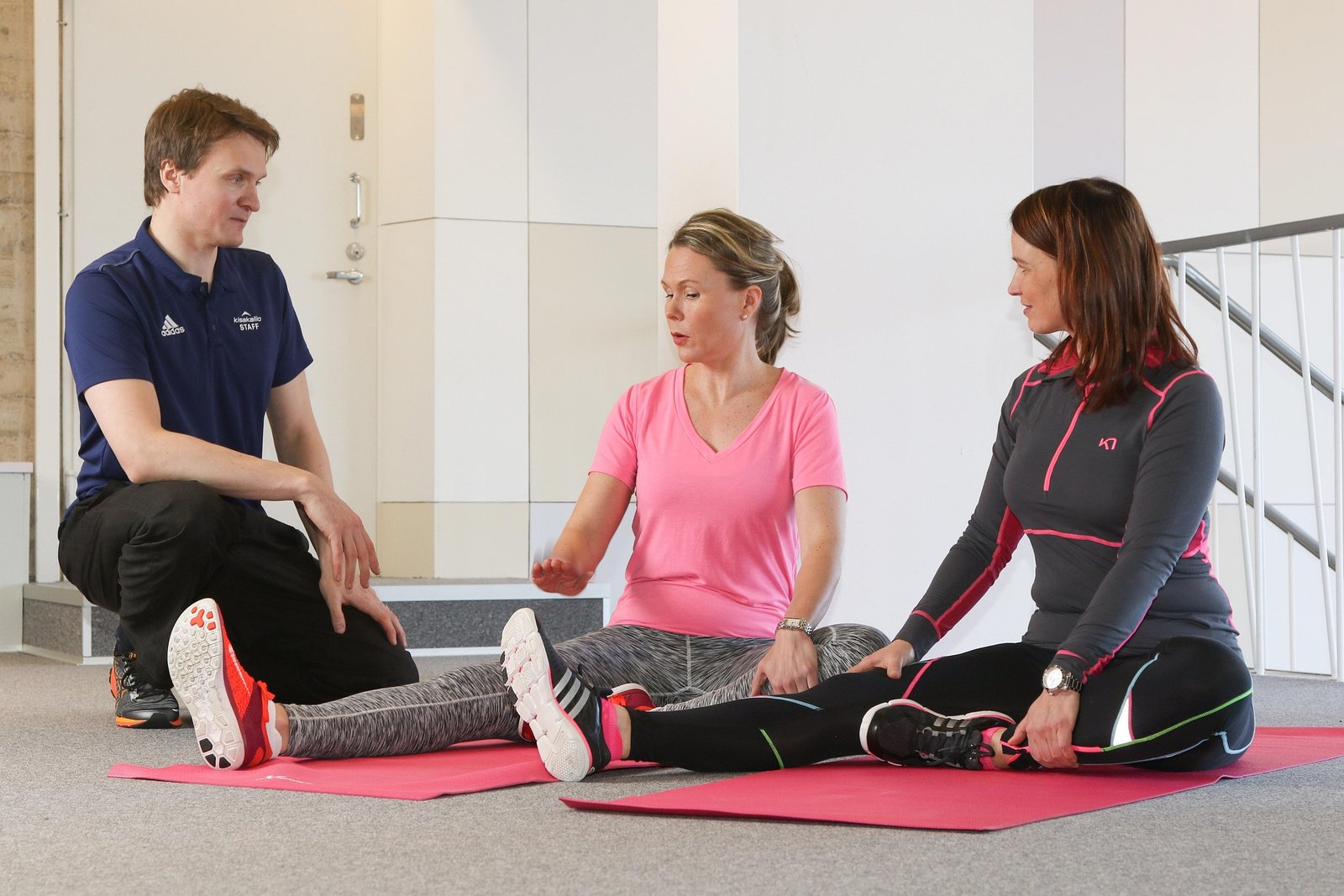
Especially useful the day after a heavy session, when everything feels tight. Focus on slow, controlled movement rather than forcing deep stretches — you’re trying to loosen things up, not push your flexibility to a new limit.
Foam Rolling
Ten to fifteen minutes rolling out your major muscle groups can help with soreness and stiffness, especially combined with one of the movement options above rather than as a replacement for them.
A Casual Bike Ride or Hike
If you enjoy being outside, a relaxed bike ride or an easy, flat hike counts perfectly well as active recovery, as long as you’re keeping the pace easy and not turning it into an unplanned workout.
The common thread across all of these: low effort, no pushing yourself, and definitely no chasing a personal best.
The Biggest Mistake People Make With Active Recovery
Turning it into a workout by accident. This happens more than you’d think.
You go for “an easy walk” and end up power-walking up every hill. You do “light cycling” and end up doing intervals because you got bored. You start “gentle stretching” and end up in an intense hour-long power yoga class.
If your recovery day leaves you sore or tired the next morning, it wasn’t really recovery — it was just another workout with a different label. The whole point is staying under that threshold where your body is still recovering, not adding a new layer of stress on top of what it’s already dealing with.
A good rule of thumb: if you’re not sure whether something counts as active recovery or a real workout, it’s probably too intense. True active recovery should feel almost too easy, and that’s exactly the point.

How Often Should You Do Active Recovery?
This depends on how hard you’re training overall, but a common, sustainable pattern for people training 4-5 times a week is one to two active recovery days, plus at least one full rest day where you’re not deliberately doing any structured movement at all.
If you’re training less intensely, or you’re newer to consistent exercise, you might not need dedicated active recovery days at all — a couple of full rest days each week may be all your body is asking for. Active recovery becomes more useful as training intensity and frequency go up, since that’s when the benefit of keeping blood flowing between sessions really starts to matter.
Listen to your body here more than any fixed rule. If you’re constantly sore, tired, or unmotivated, you probably need more rest overall, not more clever ways to stay active on your days off.
FAQ: Common Questions About Active Recovery
Is active recovery better than doing nothing on rest days? For most people, yes, at least when it comes to reducing stiffness and soreness. Light movement increases blood flow to tired muscles, which can help clear out some of the buildup from hard training faster than staying completely still. That said, full rest days still matter and shouldn’t be skipped altogether.
What counts as active recovery exercise? Anything low-intensity that gets your body moving without adding real training stress — a slow walk, easy cycling, gentle swimming, light stretching, or yoga. The key is keeping the effort low enough that you’re not fatigued afterward.
How long should an active recovery session be? Somewhere around 20-40 minutes is a good general range, though even 10-15 minutes of light movement is better than none. The exact time matters less than keeping the intensity low throughout.
Can I do active recovery every day? You can, especially if it’s genuinely low intensity, but you still need some full rest days without deliberate movement, particularly if you’re training hard several times a week. Your body needs some completely unstructured downtime too, not just lighter versions of activity.
What’s the difference between active recovery and a deload week? Active recovery refers to single low-intensity days between hard training sessions, while a deload week is a longer stretch — usually a full week — of reduced training volume or intensity built into a program every several weeks to allow for deeper recovery. Both serve a similar purpose, just on very different timescales.
The Bottom Line
Active recovery isn’t about squeezing in extra exercise on your day off — it’s about keeping just enough gentle movement to help your body bounce back faster, without adding more stress to a system that’s already working to repair itself. A slow walk, easy cycling, or some light stretching usually does the job. Just watch out for turning it into a workout by accident, and don’t skip full rest days entirely when your body is genuinely asking for one.
If you’re not sure how many recovery days your current routine actually needs, it might help to track how you’re feeling — energy, soreness, motivation — for a couple of weeks. The pattern usually makes it pretty clear. For more on this, it’s worth checking a guide on how to structure a weekly training split or one covering the signs you might be overtraining.