How Much Protein Do You Need Per Day? A Practical Guide
Ask five different people how much protein you need per day and you’ll probably get five different answers — anywhere from “just hit the RDA” to “eat a gram per pound of bodyweight no matter what.” The truth sits somewhere more useful than either extreme, and it depends less on trends and more on a few specific factors: your body weight, your activity level, and what you’re actually trying to achieve.
Here’s a breakdown that cuts through the noise.
Why the “One Number” Advice Doesn’t Work
The official RDA (Recommended Dietary Allowance) for protein is 0.36 grams per pound of body weight — a number designed to prevent deficiency in a sedentary adult, not to support muscle growth, athletic performance, or fat loss while preserving lean mass. Following the RDA if you’re lifting weights three times a week is a bit like following speed limits designed for a school zone on the highway — technically a number, just not the right one for what you’re doing.
At the other extreme, the “1 gram per pound” rule that circulates in gym culture isn’t wrong, exactly — it’s just often more than most people need, and it treats every goal and every body the same way.

Protein Needs by Goal
Building Muscle
If your primary goal is muscle growth, research consistently points to a range of 0.7–1.0 grams of protein per pound of body weight per day as the sweet spot. Going higher than that doesn’t appear to meaningfully speed up muscle growth for most people — your body can only use so much protein for repair and growth at a given training volume.
For a 170-pound person, that lands between roughly 120–170 grams of protein per day.
Losing Fat While Preserving Muscle
This is actually where protein needs can climb the highest. When you’re in a calorie deficit, higher protein intake — often 0.8–1.2 grams per pound — helps signal your body to protect muscle tissue instead of breaking it down alongside fat. Protein is also the most satiating macronutrient, which makes a deficit noticeably easier to stick to.

General Health and Maintenance
If you’re not chasing a specific performance or physique goal but still want more than bare-minimum health, 0.5–0.7 grams per pound is a reasonable, sustainable target for most active adults.
Endurance Training
Runners, cyclists, and other endurance athletes often underestimate their protein needs, assuming carbs are the only macro that matters. In reality, endurance training also breaks down muscle protein for repair, so 0.6–0.8 grams per pound supports better recovery between sessions.
A Quick Reference Table
| Goal | Grams per pound of body weight | Example (170 lb person) |
|---|---|---|
| General health | 0.5–0.7g | 85–120g/day |
| Muscle building | 0.7–1.0g | 120–170g/day |
| Fat loss (preserving muscle) | 0.8–1.2g | 136–204g/day |
| Endurance training | 0.6–0.8g | 102–136g/day |
Does It Matter When You Eat Protein?
Total daily intake matters more than precise timing, but spreading protein across 3–4 meals rather than loading it all into one gives your body a steadier supply of amino acids for muscle repair throughout the day. Aiming for roughly 25–40 grams per meal is a practical, easy-to-remember target for most people.

Common Protein Sources and What They Offer
- Chicken breast — about 31g per 100g, lean and versatile
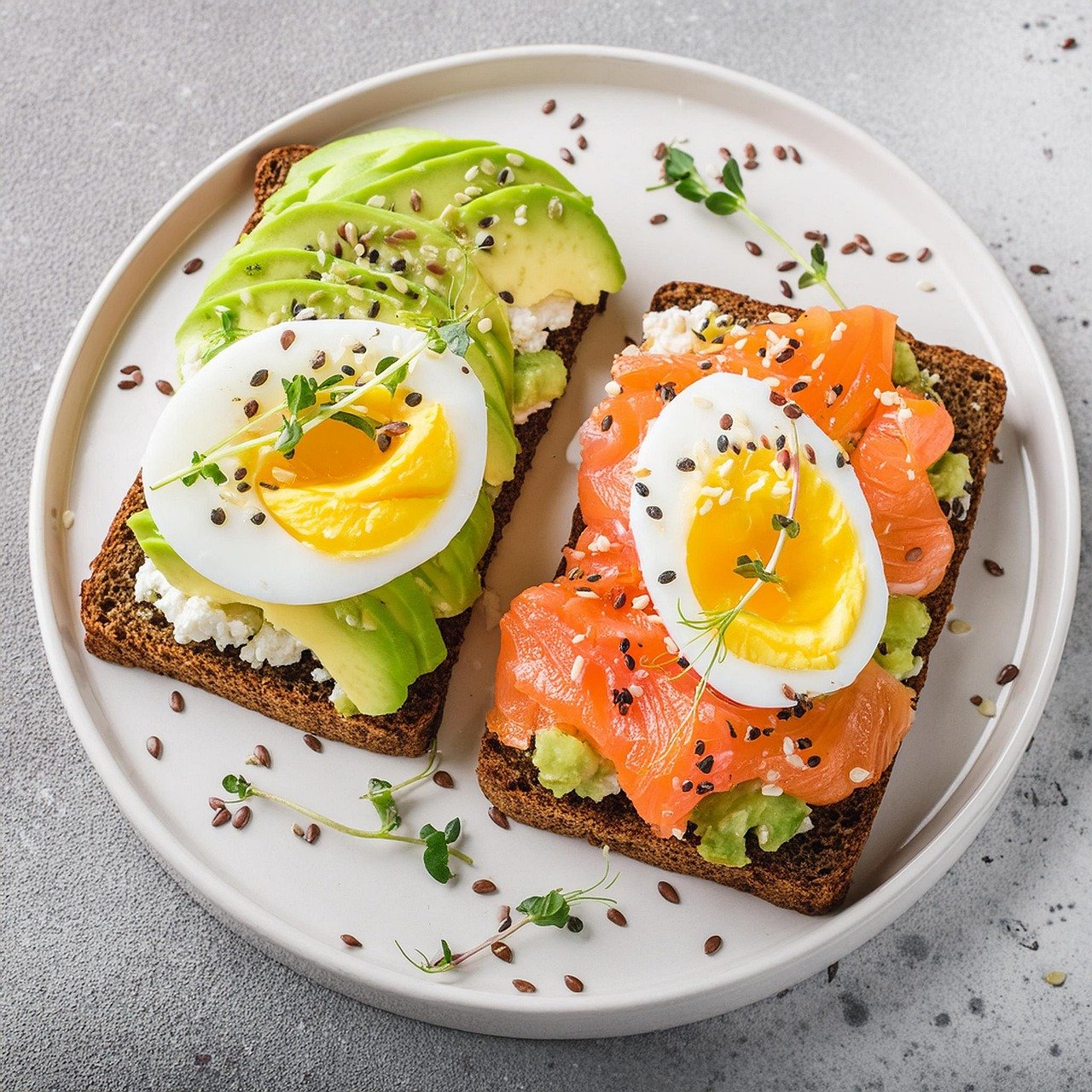
- Eggs — about 6g per egg, plus a complete amino acid profile
- Greek yogurt — about 10g per 100g, with the bonus of probiotics
- Lentils and beans — 8–9g per 100g cooked, plus fiber for plant-based eaters
- Whey protein powder — 20–25g per scoop, useful for hitting targets without extra cooking
- Salmon — about 20g per 100g, with the added benefit of omega-3s
Signs You Might Not Be Getting Enough
Chronically low protein intake can show up as slower recovery after workouts, persistent hunger despite eating enough calories overall, difficulty building or maintaining muscle despite consistent training, and hair or nail changes in more severe, prolonged cases.
If several of these sound familiar and your current intake is well below the ranges above, that’s usually the first thing worth adjusting before troubleshooting anything more complicated.

Can You Eat Too Much Protein?
For most healthy people, protein intake up to around 1.2–1.5 grams per pound doesn’t carry the risks often assumed — the old concern about kidney damage in healthy individuals isn’t well supported by current research. That said, more isn’t automatically better once you’re already hitting your target range; extra protein beyond what your body can use for repair and maintenance is simply used for energy like any other calorie source, so there’s little benefit to pushing far past the ranges above unless you have a specific reason to.
The Bottom Line
Rather than chasing a single universal number, pick the range that matches what you’re actually trying to do — building muscle, losing fat, or just maintaining a healthy baseline — and build your meals around hitting it consistently. Protein needs are one of the few areas of nutrition where “close enough, done consistently” beats “perfect, done occasionally” by a wide margin.