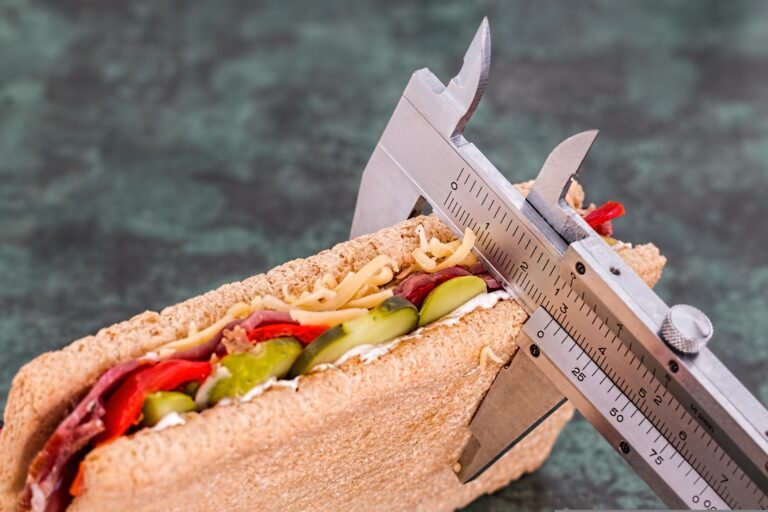

How to Break Through a Weight Loss Plateau: 8 Real Fixes
Few things are more frustrating than doing everything “right” and watching the scale refuse to move for weeks. You’re still eating the same way, still training the same way, and the progress that used to show up every week has simply stopped. The good news: a plateau almost never means something is broken. It usually means your body has adapted to what used to be a deficit — and a few targeted adjustments, not a complete overhaul, are usually enough to get things moving again.
Why Plateaus Happen in the First Place
As you lose weight, your body requires fewer calories to function — a smaller body simply burns less energy at rest and during activity than a larger one did. This means the same calorie intake that created a deficit at your starting weight gradually becomes closer to maintenance as you lose weight, even if you haven’t changed anything about your diet.
On top of that, sustained dieting triggers metabolic adaptations — a modest, natural reduction in metabolic rate beyond what body size changes alone would predict — as the body responds to a prolonged energy deficit. Neither of these is a sign of failure; they’re a predictable, well-documented part of the weight loss process.

1. Recalculate Your Calorie Needs
The deficit that worked at your starting weight is mathematically no longer a deficit at your current, lighter weight. If you started at 200 pounds and are now at 180, your maintenance calories have dropped along with your body weight — recalculating your target based on your current weight, rather than your starting weight, often reveals that you’re now eating at maintenance without realizing it.
2. Audit Your Tracking Accuracy
“Diet drift” is extremely common after a few months — a slightly bigger handful here, forgetting to log a sauce or dressing there, weekend meals estimated rather than measured. None of this is intentional dishonesty; it’s just how tracking accuracy naturally loosens over time. Going back to precise measuring for one to two weeks often reveals a meaningful gap between intended and actual intake.

3. Reassess Your Activity Level
It’s common for people to unconsciously move less as a diet progresses — sitting more, taking shorter walks, feeling more fatigued in day-to-day life. This drop in NEAT (Non-Exercise Activity Thermogenesis) can offset a surprising number of calories without ever showing up in a workout log. A step counter or activity tracker often reveals this drift clearly.
4. Change the Stimulus, Not Just the Intensity
If your training routine hasn’t changed in months, your body has adapted to that specific stimulus — the same workouts now require less energy to complete than they once did. This doesn’t necessarily mean training harder; changing exercise selection, rep ranges, or workout structure can reintroduce enough novelty to shift energy expenditure and support renewed progress.
5. Consider a Planned Diet Break
Counterintuitively, temporarily eating at maintenance calories for one to two weeks can help long-term progress. This isn’t a “cheat” — it’s a deliberate reset that can help normalize some of the hormonal adaptations (like reduced leptin) that accumulate during sustained dieting, often making the next phase of the deficit more effective and sustainable.

6. Check Sleep and Stress Levels
Poor sleep and chronic stress both elevate cortisol and disrupt hunger-regulating hormones, which can stall fat loss even when calorie intake looks correct on paper. If a plateau coincides with a stressful period or a stretch of poor sleep, addressing that directly is sometimes more effective than further restricting food.
7. Look Beyond the Scale
Water retention from sodium, hormonal cycles, recent training-induced inflammation, or even the timing of your last meal can shift scale weight by several pounds without reflecting actual fat loss or gain. Tracking measurements, progress photos, or how clothes fit alongside the scale often reveals continued fat loss that the scale alone is temporarily masking.
8. Be Patient With a True Plateau
Not every stall requires an immediate fix. A genuine, multi-week plateau where weight is stable despite an accurate deficit is a normal, expected part of a long-term weight loss journey — not every week should show a new low. Sometimes the correct response is simply staying consistent for another two to three weeks before making any changes at all, since natural weight fluctuation can make a temporary stall look more significant than it is.

How to Actually Diagnose Your Plateau
Before making any changes, it’s worth confirming the plateau is real rather than a normal short-term fluctuation. A true plateau means your weight has been stable, based on a weekly average (not daily), for at least three to four consecutive weeks despite consistent effort. If it’s been less than that, the pattern above (“look beyond the scale”) likely explains what you’re seeing rather than an actual metabolic stall.
The Bottom Line
A weight loss plateau is almost always a sign your body has adapted to what used to be a deficit — not a sign that your approach has stopped working. Recalculating calories for your current weight, tightening up tracking accuracy, and addressing sleep and activity levels solve the vast majority of plateaus without requiring drastic changes. Sometimes, the right move is simply staying the course a little longer than feels comfortable.