
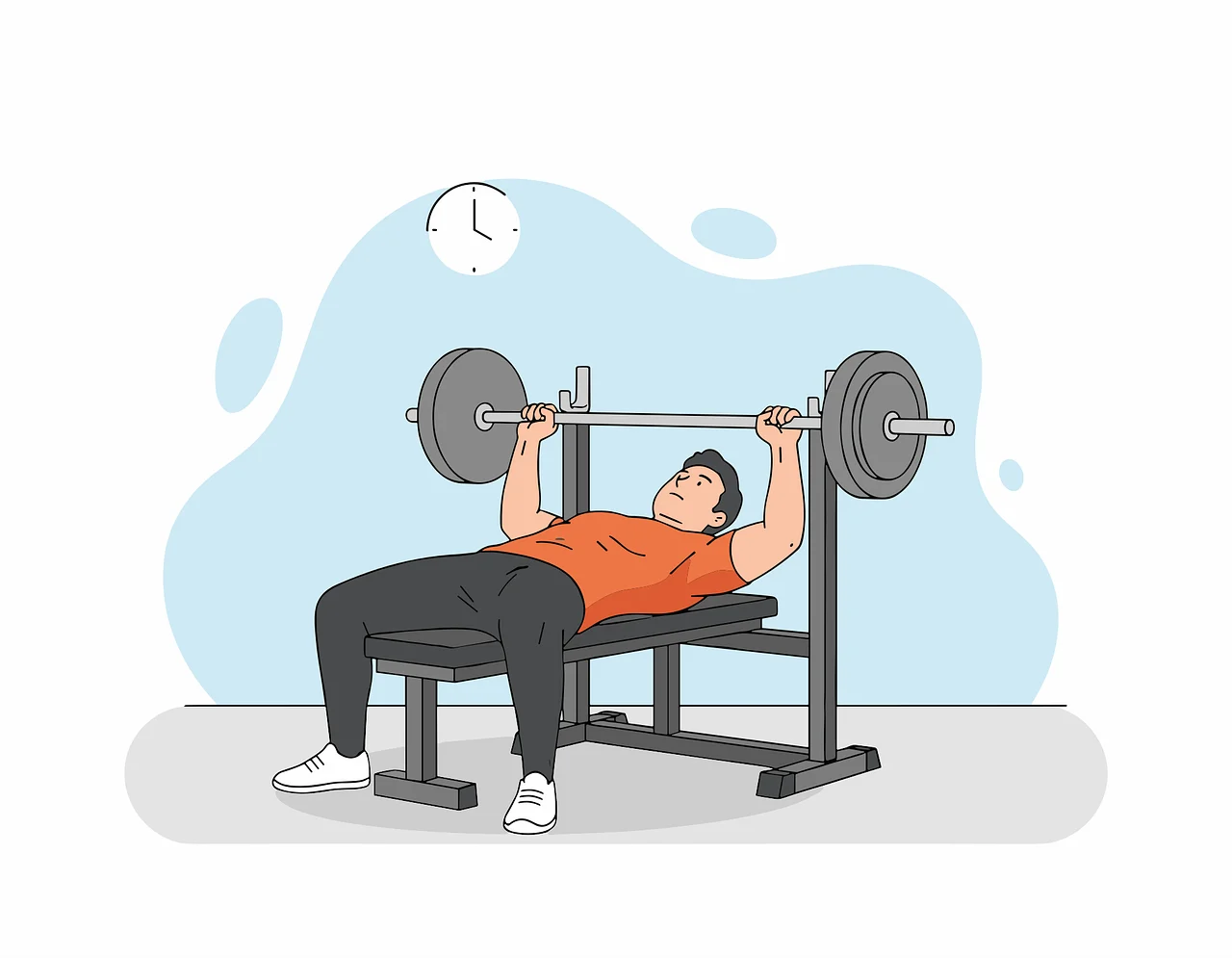
How to Stay Motivated to Workout: 8 Strategies That Outlast Willpower
Motivation is a terrible long-term training partner. It shows up strong in January, fades by February, and disappears entirely the first time work gets busy or the weather turns bad. If you’ve ever felt like something was wrong with you for losing steam after a few enthusiastic weeks, the truth is simpler and less personal: motivation was never designed to last. It’s a feeling, and feelings are inherently temporary.
The people who train consistently for years aren’t running on an endless supply of motivation — they’ve built systems that keep them showing up even on the days motivation is nowhere to be found.

Why Relying on Motivation Alone Fails
Motivation is an emotional state, which means it’s influenced by sleep, stress, mood, and dozens of factors outside your control. Building a fitness routine entirely on top of something that unstable is like building a house on sand — it might hold for a while, but it’s not designed to.
The alternative isn’t “more discipline” either, at least not in the white-knuckle, force-yourself-through-it sense most people imagine. It’s designing your routine so that showing up requires less willpower in the first place.
1. Attach Workouts to an Existing Habit
“I’ll work out when I have time” leaves too much room for the day to fill up with other things. Attaching exercise to something you already do without thinking — right after your morning coffee, immediately after logging off work, right before your evening shower — borrows the automaticity of an existing habit instead of relying on remembering and deciding fresh each day.

2. Make the First Step Absurdly Small
Willpower struggles with big asks but rarely resists small ones. “Put on your workout clothes and do five minutes” is a request nearly impossible to talk yourself out of — and the well-documented reality is that once you’re five minutes in, you almost always keep going. The hardest part of any workout is rarely the workout itself; it’s the transition into starting it.
3. Track Streaks, Not Just Results
Visible progress on the scale or in the mirror can take weeks to show up, which leaves a long, discouraging gap where nothing seems to be happening. A simple streak counter — even just X marks on a calendar for each day you showed up — gives you something to protect immediately, and most people find they don’t want to “break the chain” once it’s a few days long.
4. Redesign Your Environment to Remove Friction
Motivation has to fight harder when your gym bag is buried in a closet, your workout clothes are in the laundry, or your home equipment is folded up in a corner. Laying out clothes the night before, keeping a bag permanently packed, or leaving equipment visibly out removes small obstacles that otherwise become convenient excuses on a low-energy day.

5. Find a Version of Exercise You Don’t Dread
An enormous amount of “motivation problems” are actually just doing an activity you don’t enjoy and expecting to stay excited about it indefinitely. If treadmill running feels like punishment, dance classes, hiking, martial arts, or team sports might not — and any of them builds fitness. The best workout, from a consistency standpoint, is genuinely the one you’ll actually keep doing.
6. Use Social Accountability
Telling a friend you’re going, joining a class with a set schedule, or hiring a trainer all introduce a mild social cost to skipping — and that small external pressure is often enough to get you through the door on days internal motivation alone wouldn’t have. This isn’t a weakness; it’s simply using a lever that reliably works for most people.
7. Reframe Missed Days as Data, Not Failure
Missing a workout doesn’t erase progress, but the story people tell themselves about a missed day often does more damage than the missed session itself — “I already ruined it, might as well quit” turns one skipped day into a two-week gap. Treating a missed day as information (what got in the way, and how to prevent it next time) rather than a moral failure keeps a single lapse from snowballing.

8. Revisit Your “Why” Periodically, Not Constantly
Vague, distant goals (“get healthy,” “lose weight”) are weak motivators day-to-day because they don’t feel urgent in the moment. More specific, personally meaningful reasons — keeping up with your kids, managing a health marker your doctor flagged, feeling strong for a specific event — tend to hold up better under pressure. Revisiting that specific reason occasionally (not obsessively) helps reconnect a workout to something that actually matters to you, rather than an abstract idea of “should.”
What to Do on Genuinely Low-Motivation Days
Some days, none of the above fully works and motivation is simply at zero. On those days, the goal shifts from “have a great workout” to “don’t break the habit.” A shortened, easier version of your planned session — even at 50% effort — keeps the pattern intact and is almost always better for long-term consistency than skipping entirely and hoping tomorrow feels different.
The Bottom Line
Motivation will always come and go — that’s not a personal failing, it’s just what motivation is. Consistency comes from designing a routine that needs less of it: small first steps, visible streaks, reduced friction, and activities you don’t secretly dread. Build the system, and the days you don’t feel like it stop mattering nearly as much as they used to.