
Cardio vs. Weight Training: Which Is Actually Better for Fat Loss?
If you’re trying to lose fat, you’ve probably asked yourself one of the most common fitness questions: Should I do cardio or lift weights? This is a debate that has raged for years and people have been very passionate on both sides. Some swear by long runs and hours on the treadmill, others believe that only lifting weights can burn fat effectively.
The truth is there is no easy one word answer. Both cardio and weight training have their strengths and each can help you lose fat in different ways. The best choice often depends on your fitness level, goals, schedule and personal preferences.
One of the mistakes that a lot of beginners make is thinking that they have to choose one or stay away from the other entirely. In fact, the best fitness plans tend to be a combination of both. Understanding how each type of exercise works will help you build a workout that fits your lifestyle and gives you the best chance for long-term success.
This guide will look at cardio vs. weight training for fat loss, the benefits of each, debunk some common myths and help you decide what’s right for you.
The Science of Losing Fat
It is important to understand how fat loss really works before comparing the workouts.
Your body stores the extra energy as fat. Over time you need to burn more calories than you eat to burn that stored fat. This is often referred to as a calorie deficit.
Exercise can help create that calorie deficit but it’s only one piece of the puzzle. You also need to consider your eating habits, sleep, stress levels and activity throughout the day.
That’s why you can’t outrun a bad diet. Even the best training program is going to have limited success if your nutrition isn’t helping you achieve your goals.
Use exercise as a tool to complement healthy eating, not as a replacement for it.
Cardio: What Is It?
Exercise that raises your heart rate and maintains it there for a predetermined period of time is known as cardio, or cardiovascular exercise.
Among the most typical instances are:
Walking, jogging, biking, swimming, and skipping rope
Dancing, Rowing, and Hiking
Cardio is well-liked because it is simple to comprehend and doesn’t necessarily call for specialized equipment. Take a stroll around your community, ride a bike, or even watch an exercise DVD at home.
Since cardio is comfortable and doesn’t require learning weightlifting skills, many novices choose it.
Cardio’s Advantages for Losing Fat
Cardio has several benefits, particularly if you want to increase your level of fitness and burn calories.
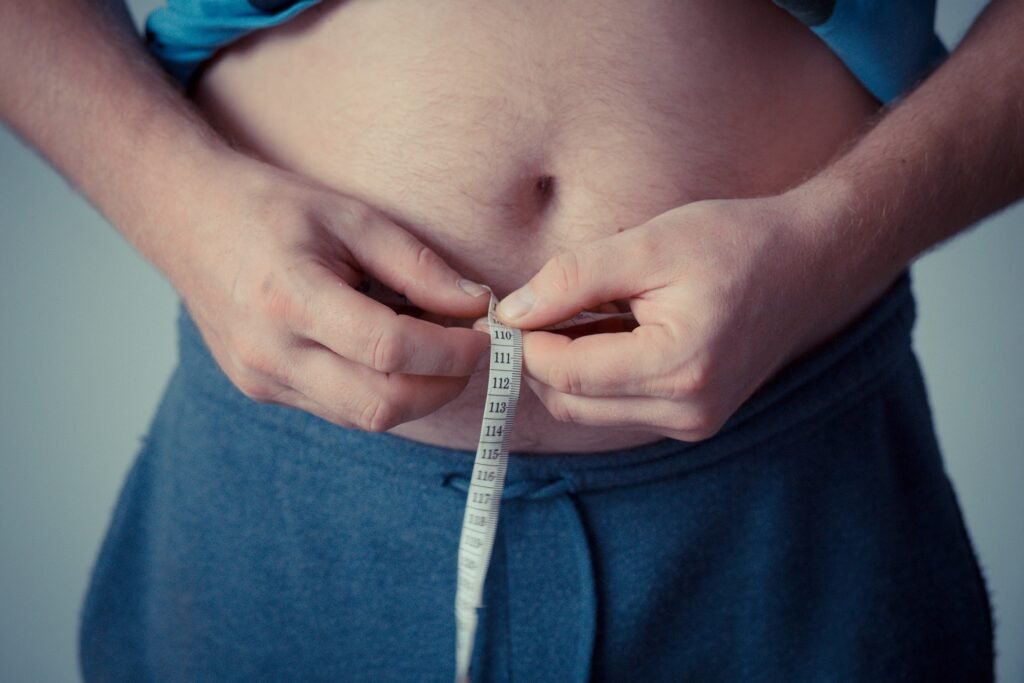
Exercise Burns Calories
The fact that cardio burns calories is one of its main advantages.
Maintaining a calorie deficit can be made easier by increasing your daily calorie expenditure through a vigorous walk, jog, or bike ride.
You will often burn more calories if your workout is longer or more strenuous.
Enhances Heart Health
Cardio strengthens your heart and lungs in addition to aiding with fat loss.
Regular cardio can eventually reduce blood pressure, increase endurance, and ease daily tasks.
After just a few weeks of regular exercise, you could notice that walking farther or climbing stairs becomes less taxing.
Excellent for Novices
The majority of people may easily start low-impact hobbies like walking, cycling, and swimming.
Cardio is frequently a comfortable approach to increase your level of activity without feeling overburdened, whether you’re new to fitness or returning after a long hiatus.

Weight Training: What Is It?
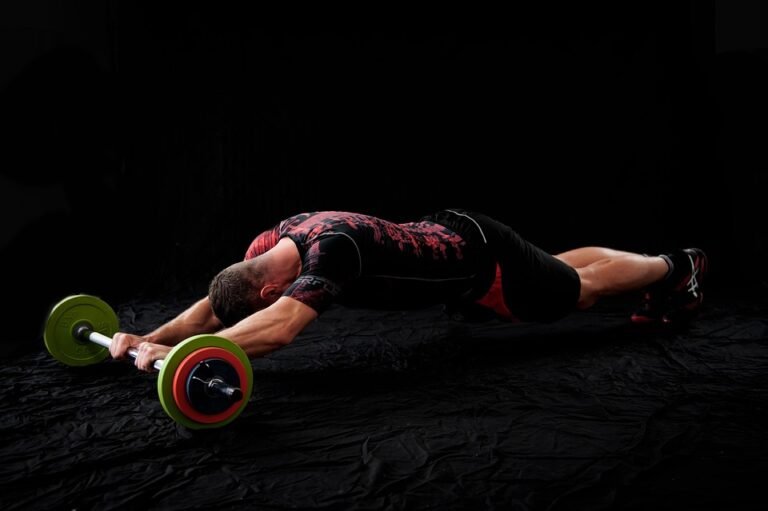
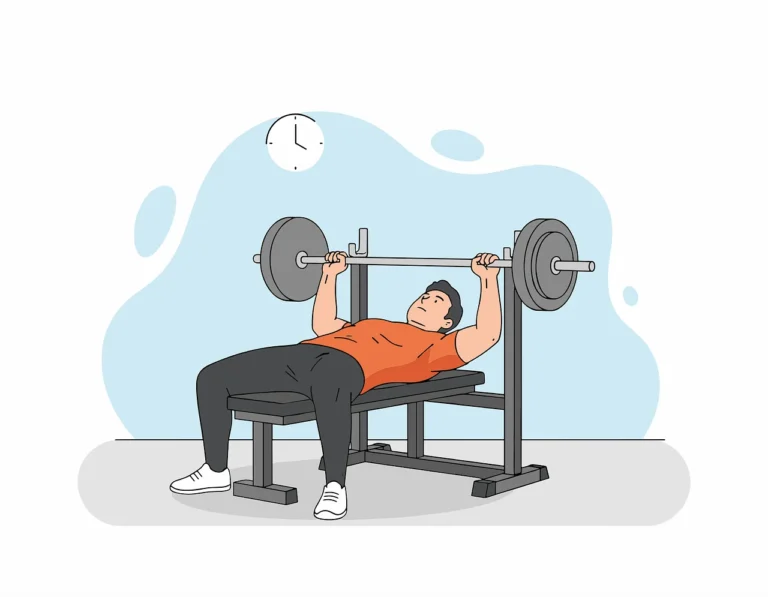
Working your muscles against resistance is the goal of weight training, sometimes referred to as resistance training or strength training.
This opposition may originate from:
Dumbbells
Barbells
Bands of resistance
Weight devices
Kettlebells
Your personal weight
Lifting big weights isn’t the only objective. It’s to put your muscles to the test so they get stronger over time.
It’s a common misconception that weight training is exclusive to bodybuilders, but this is untrue. People of all ages and fitness levels can benefit from strength training.
Weight Training’s Advantages for Losing Fat
Weight training has certain advantages that can help with long-term fat loss even if it might not burn as many calories during a workout as aerobics.
Aids in the Development of Lean Muscle
Building and maintaining muscle is one of the key benefits of strength training.
Even while you’re at rest, having more muscle can modestly boost the number of calories your body burns throughout the day since muscle tissue uses more energy than fat tissue.
It helps enhance your body composition and contributes to long-term benefits, even though the effect isn’t very noticeable.
Maintains Muscle While Reducing Weight
People frequently lose both muscle and fat when they lose weight by dieting alone.
Strength exercise helps you retain more of the lean muscle you’ve worked so hard to develop by reducing muscle loss during a calorie deficit.
This is one of the reasons why many people who incorporate resistance training into their routine appear thinner and more toned.
Enhances Everyday Life and Strength
Gaining strength is beneficial outside of the gym.
As your strength increases, basic daily activities like moving furniture, carrying luggage, lifting groceries, and playing with your kids become much simpler.
Weight training is crucial for long-term health because it promotes strong bones and joints.
Frequently Held Myths Regarding Weight Training
Many novices steer clear of lifting weights due to untrue notions they’ve heard.
One widespread misconception is that lifting weights inevitably makes people chubby.
In actuality, gaining significant muscle requires years of regular exercise, a healthy diet, and, frequently, extremely specialized bodybuilding regimens.
Instead of gaining excessive muscular mass, strength training makes most people appear thinner, stronger, and more athletic.
Another misconception is that working out for hours is necessary.
In actuality, many novices can see discernible gains with just three well-planned strength training sessions each week.
Which Burns More Calories: Cardio or Weight Training?
One of the most important considerations when comparing weight training and cardio for fat loss is which exercise burns more calories.
Cardio generally burns more calories while working out. Running, cycling, rowing, and swimming are examples of activities that keep your heart rate high for extended periods of time, requiring your body to expend a lot of energy.
A 45-minute jog, for instance, often burns more calories than a 45-minute weightlifting workout. Cardio has long been linked to fat loss for this reason.
But burning calories when exercising is just one aspect of it.
Weight training operates in a different way. Even while you might not burn as many calories throughout the workout, it helps you gain lean muscle, which eventually boosts your metabolism. Additionally, it produces a tiny “afterburn effect,” in which your body continues to use excess energy as you recuperate from your activity.
Because of this, focusing solely on the number of calories burned during activity is insufficient.
For Fat Loss, Which Is Better?
In all honesty, both types of exercise can aid in fat loss.
Cardio is a great way to burn more calories each day and strengthen your heart. If you prefer to walk, jog, cycle, or swim, it’s extremely helpful.
Conversely, weight training helps maintain muscle while you lose weight. This is crucial since preserving muscle makes your body appear thinner and keeps you strong while you lose weight.
Cardio provides an edge if your sole objective during a workout is to burn as many calories as possible.
Weight training becomes equally crucial if your objective is to reduce fat while retaining strength and developing a toned body.
Instead of picking one over the other, mixing the two frequently yields the best outcomes.
Why It Usually Works Best to Combine Both
“How can I use both together?” might be a better question to ask rather than “Is cardio or weight training better?”
There are advantages to each kind of exercise that the other cannot completely replace.
For instance, you may add two or three aerobic workouts to improve endurance and boost your calorie burn while lifting weights three times a week to maintain muscle and gain strength.
By taking a balanced approach, you may profit from both without going overboard with either.
Additionally, it keeps your workouts engaging, which facilitates long-term consistency.
A Beginner’s Easy Weekly Schedule
You don’t need a complex exercise regimen if you’re just getting started with fitness.
An example of a weekly regimen suitable for beginners is as follows:
Strength workout for the whole body on Monday
Tuesday: a vigorous 30-minute walk or light cycling
Wednesday: relaxation or light stretching
Full-body strength training on Thursday
Friday: 30 to 40 minutes of exercise
Strength workout for the whole body on Saturday
Sunday: Take a leisurely stroll or relax completely
With this routine, you may reap the advantages of regular exercise while giving your muscles enough time to heal.
You can modify the duration and intensity as your fitness level increases to achieve your objectives.

Advice for Optimizing Fat Loss
Remember these easy pointers if you want the greatest outcomes:
Continue to work out consistently.
Make protein a priority in your meals to aid in the recuperation of your muscles.
Make sure you get adequate sleep every night.
Throughout the day, stay hydrated.
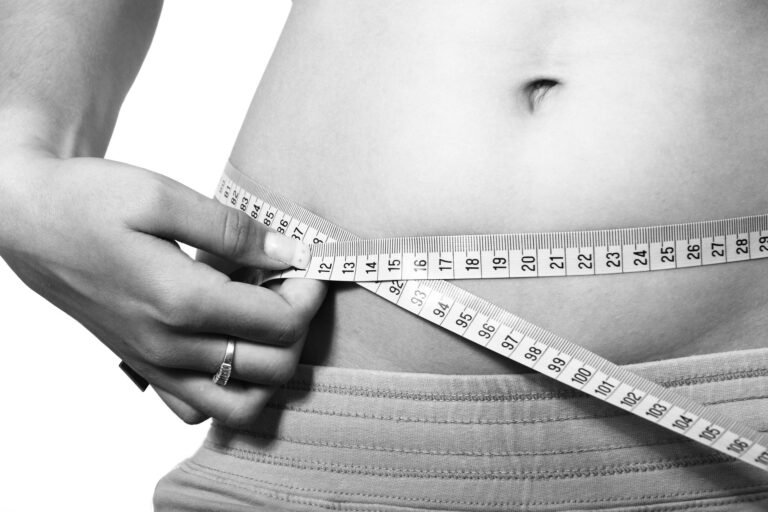
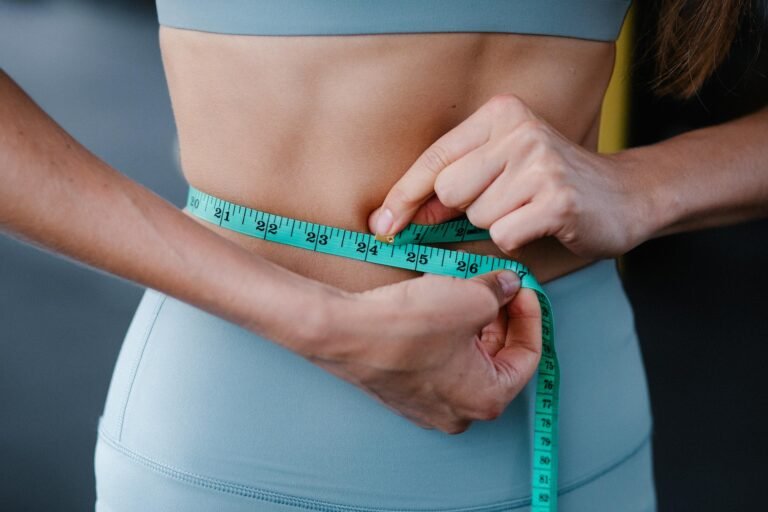
Instead of just using the scale to monitor your progress, use pictures, measurements, or the way your clothes fit.
To make exercise something you look forward to rather than something you dread, choose things you actually enjoy.
Keep in mind that the workout you will stick with month after month is the greatest.
Last Thoughts:
Cardio is great for increasing endurance, strengthening the heart, and burning calories. Weight training improves your entire body composition, builds strength, and preserves muscle. When combined, they offer a well-rounded strategy that promotes long-term weight loss and general health.
The workout that best suits your lifestyle and maintains your motivation is the greatest way to lose weight.
Continue to be active, maintain consistency, and concentrate on developing the long-lasting habits.