How Muscle Actually Grows: A Beginner’s Guide to Hypertrophy
Most people can describe what they need to do to build muscle — lift weights, eat enough protein, get some rest — without ever understanding what’s actually happening inside their body when it works. That gap matters more than it seems. Once you understand the actual mechanism behind muscle growth, a lot of confusing or contradictory training advice online suddenly makes a lot more sense, because you can evaluate it against what’s actually driving the process instead of just trusting whoever sounds most confident.
This is a plain-language look at what muscle growth (hypertrophy) actually is, what triggers it, and why that explains almost everything else you’ve heard about training.

What “Muscle Growth” Actually Means at a Cellular Level
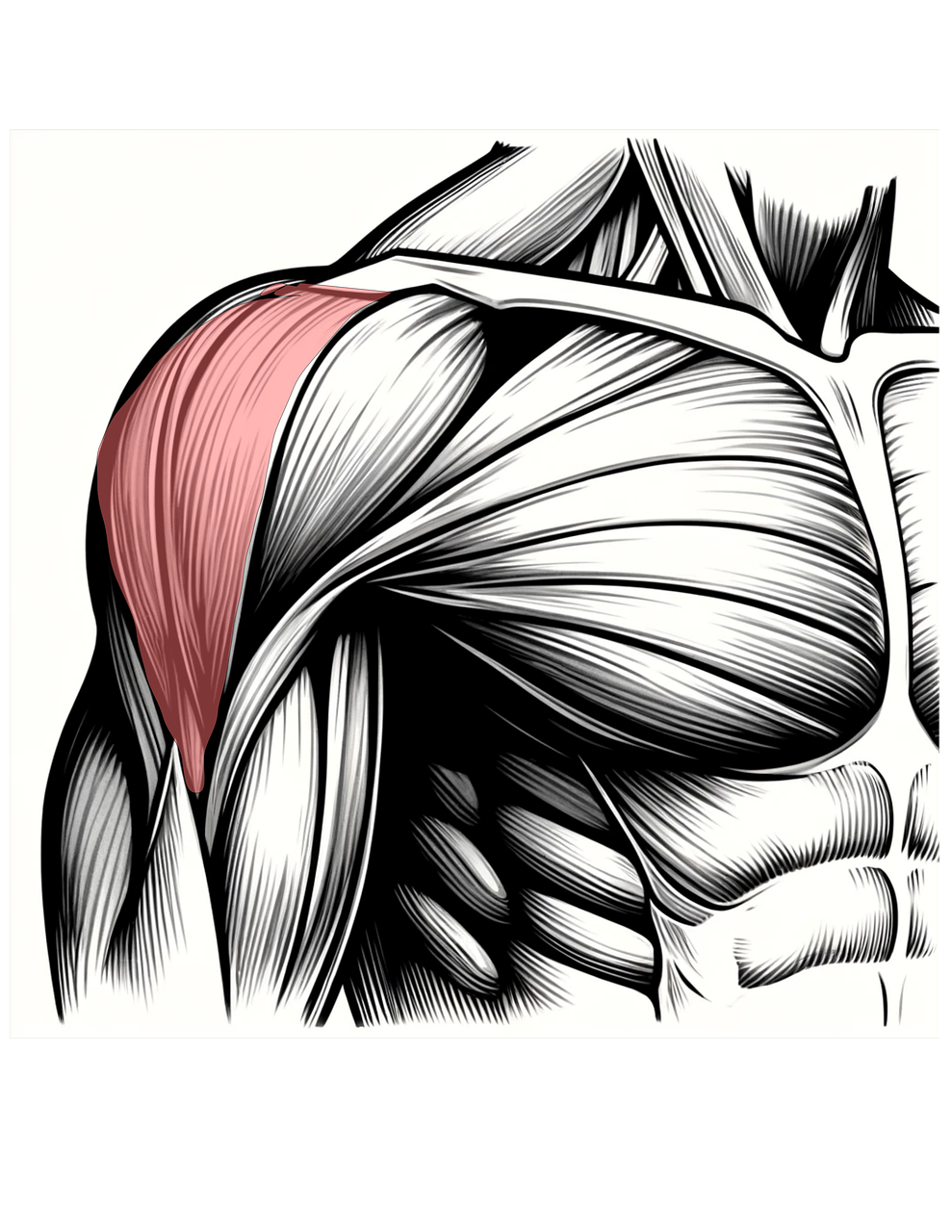
Muscle is made up of long fibers, and each fiber is packed with smaller strands called myofibrils — the actual contractile machinery that makes muscles able to shorten and produce force. Hypertrophy, in the technical sense, means those existing muscle fibers get thicker, largely by adding more myofibrils and more of the proteins (mainly actin and myosin) that make up the contractile units inside them.
Importantly, hypertrophy is not primarily about creating new muscle fibers — the number of fibers you have is largely set, and growth happens mainly by making the fibers you already have bigger and denser.
The Three Mechanisms That Actually Trigger Growth
Exercise science generally points to three overlapping mechanisms that combine to trigger the signals for muscle growth. None of them work in complete isolation — most effective training taps into all three to some degree.
1. Mechanical Tension
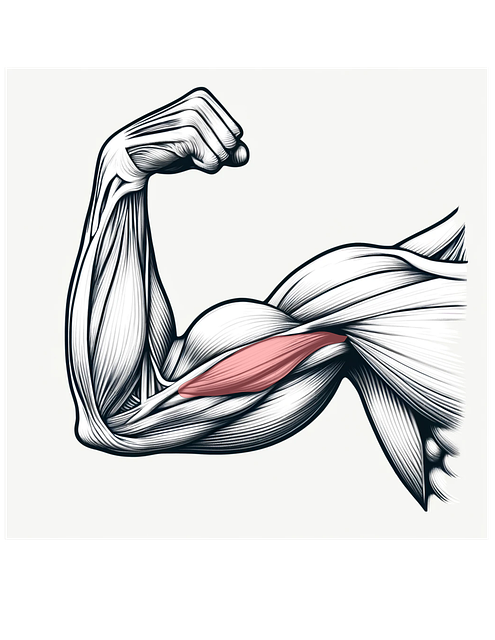
This is considered the primary driver of hypertrophy. When a muscle contracts against resistance — whether lifting a heavy weight for few reps or a lighter weight for many reps — the physical tension placed on the muscle fibers activates specific cellular signaling pathways (notably the mTOR pathway) that tell the body to increase muscle protein synthesis. Simply put: the muscle senses it’s being asked to produce more force than it’s currently built for, and responds by building more contractile machinery.
Example: A heavy squat and a moderately weighted, higher-rep leg press can both create substantial mechanical tension, even though the load and rep scheme look very different — which is part of why multiple training styles can build muscle effectively.
2. Metabolic Stress
This refers to the buildup of metabolic byproducts (like lactate and hydrogen ions) during sustained muscular effort — the “burn” you feel during a higher-rep set. This buildup appears to contribute to hypertrophy partly through cell swelling (sometimes called “the pump”) and additional hormonal and cellular signaling that supports growth, independent of mechanical tension alone.
Example: Bodybuilding-style training — moderate weights, higher reps, shorter rest periods — leans more heavily on this mechanism than very heavy, low-rep powerlifting-style training does.
3. Muscle Damage
Training, especially unfamiliar or eccentric-heavy movement (the lengthening phase of a lift, like lowering into a squat), creates microscopic damage to muscle fibers. The repair process that follows — removing damaged proteins and rebuilding them, often slightly larger and more resilient than before — contributes to the growth process, though research increasingly suggests this mechanism plays a smaller, more supportive role than once believed, rather than being the primary driver.
Example: This is why a new exercise or a long break from training often produces more soreness (and eventually, more visible progress) than a familiar, well-adapted movement — the muscle is experiencing more novel damage to adapt to.

Why This Explains So Much Training Advice
Once these three mechanisms are clear, a lot of common training principles stop feeling like arbitrary rules:
| Training Advice | Why It Works (Mechanism) |
|---|---|
| “Progressive overload is essential” | Continuously increasing tension (weight, reps, or difficulty) keeps triggering the mechanical tension pathway; without it, the muscle has no new stimulus to adapt to |
| “Train each muscle 2x per week, not once” | Muscle protein synthesis stays elevated for roughly 24-48 hours after a session; training a muscle only once weekly leaves growth-supporting signaling elevated for a smaller fraction of the week |
| “Both heavy and moderate rep ranges build muscle” | Heavy loads emphasize mechanical tension; moderate loads to near failure add meaningful metabolic stress — both pathways lead to growth |
| “You don’t need to be sore to have a good workout” | Soreness reflects muscle damage specifically, which is only one of three mechanisms — a session with high mechanical tension but low damage can still be highly effective |
What Actually Has to Happen After the Workout
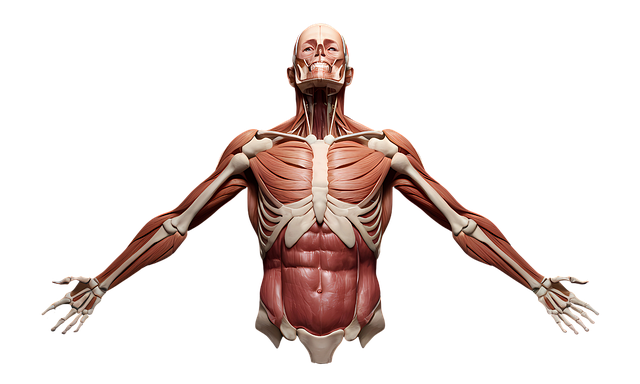
Training itself doesn’t build muscle — it creates the stimulus and the signal. The actual growth happens afterward, during recovery, when muscle protein synthesis (building new proteins) needs to outpace muscle protein breakdown (the ordinary daily degradation of muscle protein) over time. This is why the two other classic pillars of muscle building — protein intake and sleep — aren’t separate, unrelated advice, but the literal raw materials and repair-time the mechanisms above depend on to actually produce growth.
Without adequate protein, the building blocks for new myofibrils simply aren’t available in sufficient quantity. Without adequate sleep, the hormonal environment (including growth hormone release, which is heavily tied to deep sleep) that supports the repair process is compromised.

How Long Does Visible Growth Actually Take?
Cellular-level signaling for muscle protein synthesis begins within hours of a training session, but visible, measurable muscle growth is a much slower process. Most beginners see limited visible size change in the first 4-6 weeks — early strength gains during this period come primarily from neurological adaptations (your nervous system getting more efficient at recruiting existing muscle fibers), not size increases yet. Genuinely visible hypertrophy for most people begins to show more clearly around 8-12 weeks of consistent, progressive training, with continued, slower gains over months and years afterward.
A Common Misconception Worth Correcting
“Muscle confusion” — the idea that constantly changing exercises prevents plateaus — misunderstands the mechanism. Muscles don’t actually adapt to specific exercises in a way that stops growth; they respond to tension, stress, and damage relative to what they’ve already adapted to. A consistent program with planned progressive overload (gradually increasing weight, reps, or difficulty over time) is more effective for growth than constantly switching exercises, since progression requires enough consistency to actually track and build on previous performance.
The Bottom Line
Muscle growth isn’t mysterious once you understand the mechanism: mechanical tension, metabolic stress, and muscle damage each send signals that trigger your body to build thicker, stronger muscle fibers — and protein and sleep provide the resources and time needed to actually carry that process out. Nearly every piece of practical training advice, from progressive overload to training frequency to rep range flexibility, traces back to one or more of these three mechanisms — which is exactly why understanding the “why” makes the “what to do” so much easier to apply with confidence.