How to Lose Weight Without Exercise: 9 Habits That Actually Work
Not everyone can exercise their way to weight loss — a bad knee, a packed schedule, a health condition, or honestly just not enjoying it are all valid reasons. The good news is that exercise was never actually the biggest lever in weight loss to begin with. Research consistently shows that what you eat accounts for the majority of weight change, while exercise plays a bigger role in maintaining weight loss and improving overall health.
That doesn’t mean weight loss without exercise is effortless — it just means the effort goes somewhere else: your kitchen, your sleep schedule, and a handful of daily habits that add up more than most people expect.

Why Diet Matters More Than Movement for Weight Loss
A single donut can undo 45 minutes of moderate cardio in about two minutes of eating. This isn’t meant to discourage exercise — it has real benefits for heart health, mood, and long-term weight maintenance — but it explains why so many people exercise consistently and still don’t see the scale move: they’re outpacing their workouts with their plate.
Understanding this shifts the entire strategy. If exercise isn’t an option right now, the path to weight loss runs almost entirely through what, when, and how much you eat.
1. Create a Modest Calorie Deficit
Weight loss ultimately comes down to consistently eating fewer calories than your body uses. The key word is modest — a deficit of about 500 calories per day (roughly one pound of fat loss per week) is sustainable for most people, while extreme deficits tend to backfire through intense hunger, muscle loss, and eventual burnout.
You don’t need to count every calorie forever, but tracking for even two to three weeks gives you a genuinely useful baseline for how much you’re actually eating versus how much you think you’re eating.

2. Prioritize Protein at Every Meal
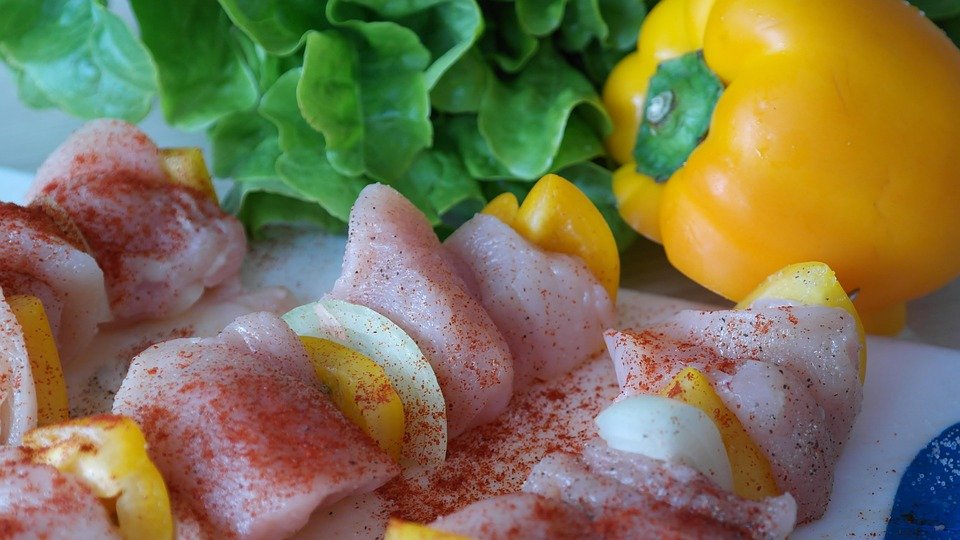
Protein is the most satiating macronutrient, meaning it keeps you fuller for longer per calorie than carbs or fat. It also has a higher “thermic effect,” meaning your body burns more calories digesting it. Practically, this means a chicken breast and vegetables will leave you more satisfied than an equal-calorie bowl of pasta.
Aiming for a palm-sized portion of protein at each meal — eggs, chicken, fish, tofu, Greek yogurt, or legumes — is an easy anchor to build around.
3. Eat More Volume, Not Just Fewer Calories
One of the most underused tricks for weight loss without exercise is choosing high-volume, low-calorie foods that physically fill your stomach without a large calorie cost. Vegetables, fruits, broth-based soups, and popcorn all deliver a lot of chewing and stomach volume for relatively few calories, which helps manage hunger far better than simply eating smaller portions of calorie-dense food.

4. Drink Water Before Meals
Drinking a glass of water 20–30 minutes before eating is a small habit with a real, measurable effect on portion sizes for many people — thirst is frequently mistaken for hunger, and a stomach with some water in it naturally signals fullness sooner.
5. Fix Your Sleep
Poor sleep doesn’t just leave you tired — it directly disrupts the hormones that regulate hunger (ghrelin) and fullness (leptin), making you hungrier and less satisfied by the same amount of food the next day. Studies on sleep-restricted dieters consistently show they lose less fat and more muscle compared to well-rested dieters eating the exact same calories.
If weight loss has stalled despite eating carefully, sleep is one of the first places worth checking before adjusting food further.

6. Slow Down While Eating
It takes roughly 20 minutes for your brain to register fullness signals from your stomach. Eating quickly means you can easily overshoot that signal before your body has a chance to tell you to stop. Simply putting your fork down between bites or eating without a screen in front of you can meaningfully reduce how much you eat without any conscious restriction.
7. Reduce Liquid Calories
Sugary drinks, juices, sweetened coffee, and alcohol add up fast because liquid calories don’t trigger the same fullness response as solid food — you can drink 300 calories in a milkshake far more easily than you could eat 300 calories of chicken and vegetables. Cutting back here is often the single highest-leverage change available, especially for people who drink coffee drinks or soda daily.
8. Plan Meals Ahead of Decision Fatigue
Most off-plan eating doesn’t happen because of a lack of willpower — it happens because of a lack of a plan at the exact moment hunger and convenience collide. Having a rough idea of your next meal before you’re already hungry removes the moment where a drive-through starts looking like the path of least resistance.
9. Track Progress Beyond the Scale
The scale can fluctuate several pounds day to day from water retention, sodium, and hormones — none of which reflect actual fat loss. Taking photos, tracking measurements, or simply noting how clothes fit gives a more accurate, less discouraging picture of progress than daily weigh-ins alone.
What About “Movement” That Isn’t Exercise?
If formal exercise isn’t accessible right now, everyday movement — walking to run errands, taking stairs, standing more, doing housework — still adds up under what’s called NEAT (Non-Exercise Activity Thermogenesis). It’s not a replacement for the diet changes above, but it’s a low-barrier way to nudge your total calorie burn upward without stepping into a gym.
The Bottom Line
Losing weight without exercise isn’t a workaround — for most people, it’s simply prioritizing the factor that matters most anyway. A modest calorie deficit, protein-forward meals, better sleep, and a few small habits around how you eat will move the needle further than most people expect, no gym membership required.