How to Build a Home Gym on a Budget: A Practical Guide
The idea of a home gym often gets derailed by the same mental image: a fully equipped garage with a rack, a barbell, a bench, and enough plates to compete — all before you’ve done a single workout in it. That version is expensive and, for most people, unnecessary from day one. A genuinely useful home gym can be built gradually, prioritizing the equipment that delivers the most training value first and adding the rest only once it’s clear you’ll actually use it.
Here’s a practical, priority-ordered approach.
Start With What You’ll Actually Use Consistently
Before buying anything, it’s worth being honest about what kind of training you’ll realistically do at home — the best equipment is the equipment that matches your actual routine, not an aspirational one. Someone doing bodyweight and light strength work needs a very different setup than someone planning to squat and deadlift heavy.

Tier 1: The Highest-Value, Lowest-Cost Essentials
Resistance Bands ($15-30)
Resistance bands offer an enormous range of exercises — rows, presses, squats, pull-apart work — in a package that costs less than a single gym class and stores in a drawer. For total beginners or anyone short on space, this is often the single best starting purchase.
Adjustable Dumbbells ($100-250)
A pair of adjustable dumbbells replaces an entire rack of fixed-weight dumbbells in a fraction of the space, typically covering a range from 5 to 50+ pounds per hand. This is usually the highest-value single equipment purchase for anyone serious about strength training at home, since it covers the majority of upper body, and many lower body, exercises.
A Pull-Up Bar ($20-40)
A doorway pull-up bar requires no permanent installation in many cases and unlocks pull-ups, chin-ups, and hanging core work — movements that are difficult to replicate effectively without one.

Tier 2: Meaningful Upgrades Once the Basics Are Established
A Flat or Adjustable Bench ($60-150)
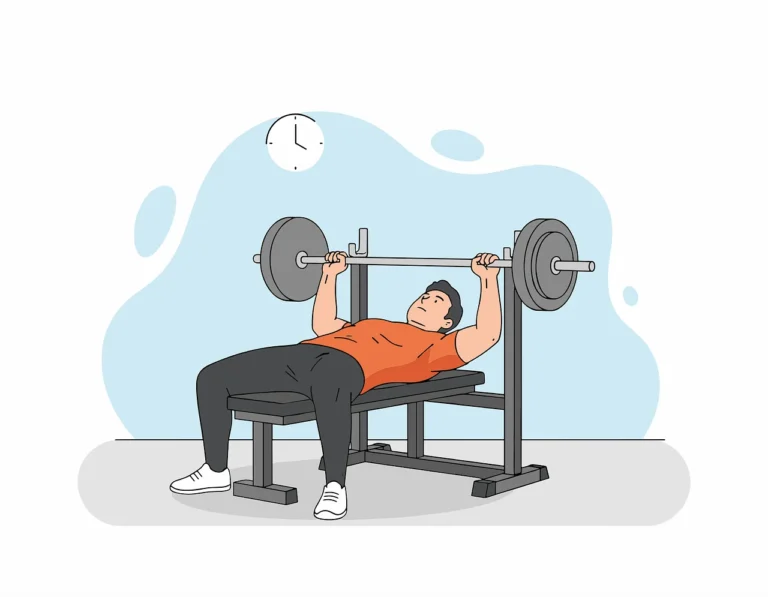
A bench dramatically expands what’s possible with dumbbells — bench press, incline work, step-ups, and seated exercises all become available. This is usually the next logical purchase once dumbbells are already in regular use.
A Kettlebell or Two ($30-60 each)
Kettlebells enable swings, goblet squats, and carries that work differently than dumbbells, adding useful variety without requiring much additional space.
A Yoga Mat and Foam Roller ($20-40 combined)
Cheap, small, and genuinely useful for floor work, stretching, and basic recovery — an easy, low-cost addition at any stage.

Tier 3: Bigger Investments for Serious Strength Training
A Barbell and Plates ($200-500+)
Once bodyweight and dumbbell training feel limiting, a barbell setup allows genuine progressive overload for squats, deadlifts, and presses beyond what dumbbells alone can provide. This is a meaningful cost jump, best made once you’re confident you’ll use it consistently rather than as an early purchase.
A Power Rack or Squat Stand ($150-600+)
Necessary for safely squatting and benching heavy barbell weight alone at home. This is typically the last major purchase, reserved for people who’ve already established a consistent barbell training habit and need the safety infrastructure to keep progressing.
A Sample Budget Progression
| Stage | Equipment Added | Approximate Cost |
|---|---|---|
| Month 1 | Resistance bands, pull-up bar | $35-70 |
| Month 2-3 | Adjustable dumbbells | $100-250 |
| Month 4-6 | Bench, kettlebell | $90-210 |
| Month 6+ (if committed) | Barbell, plates, rack | $350-1,100+ |
This spreads a full setup across 6+ months, letting each purchase prove its value before the next, larger investment.

Space-Saving Tips for Small Homes or Apartments
- Adjustable dumbbells solve the biggest space problem of traditional dumbbell racks
- A doorway pull-up bar removes and reinstalls in seconds, leaving no permanent footprint
- Resistance bands store in a small bag or drawer entirely
- A folding or wall-mounted bench, where available, saves significant floor space compared to a fixed bench
What to Skip (Usually)
Specialty machines advertised for a single muscle group, expensive “smart” equipment with subscription fees attached, and large cardio machines (treadmills, ellipticals) unless cardio is a genuine, consistent priority for you — these tend to be the equipment most likely to become expensive storage items rather than regularly used tools.
Buying Used vs. New
Strength equipment — dumbbells, barbells, plates, benches — holds up well over years of use and is frequently available secondhand at 30-50% below retail price through local marketplace listings. This is one of the most effective ways to stretch a home gym budget significantly further, particularly for the more expensive Tier 3 equipment.
The Bottom Line
A useful home gym doesn’t require a large upfront investment — it requires the right order of purchases. Starting with bands, adjustable dumbbells, and a pull-up bar covers a genuinely complete strength training routine for well under $300, with bigger investments like a barbell and rack reserved for once that foundation is already a proven, consistent habit.