Why Am I Gaining Weight Eating Healthy? 7 Hidden Reasons
It’s one of the more confusing experiences in nutrition: you’ve cleaned up your diet, swapped fast food for home-cooked meals, added more vegetables, and cut back on obvious junk — and somehow the scale is still climbing. It feels like it shouldn’t be possible, which makes it tempting to assume something is metabolically broken.
Almost always, the real explanation is simpler and far more fixable than a broken metabolism. “Healthy” and “lower calorie” aren’t actually the same thing, and a few sneaky patterns explain most of these cases.
1. “Healthy” Foods Are Still Calorie-Dense
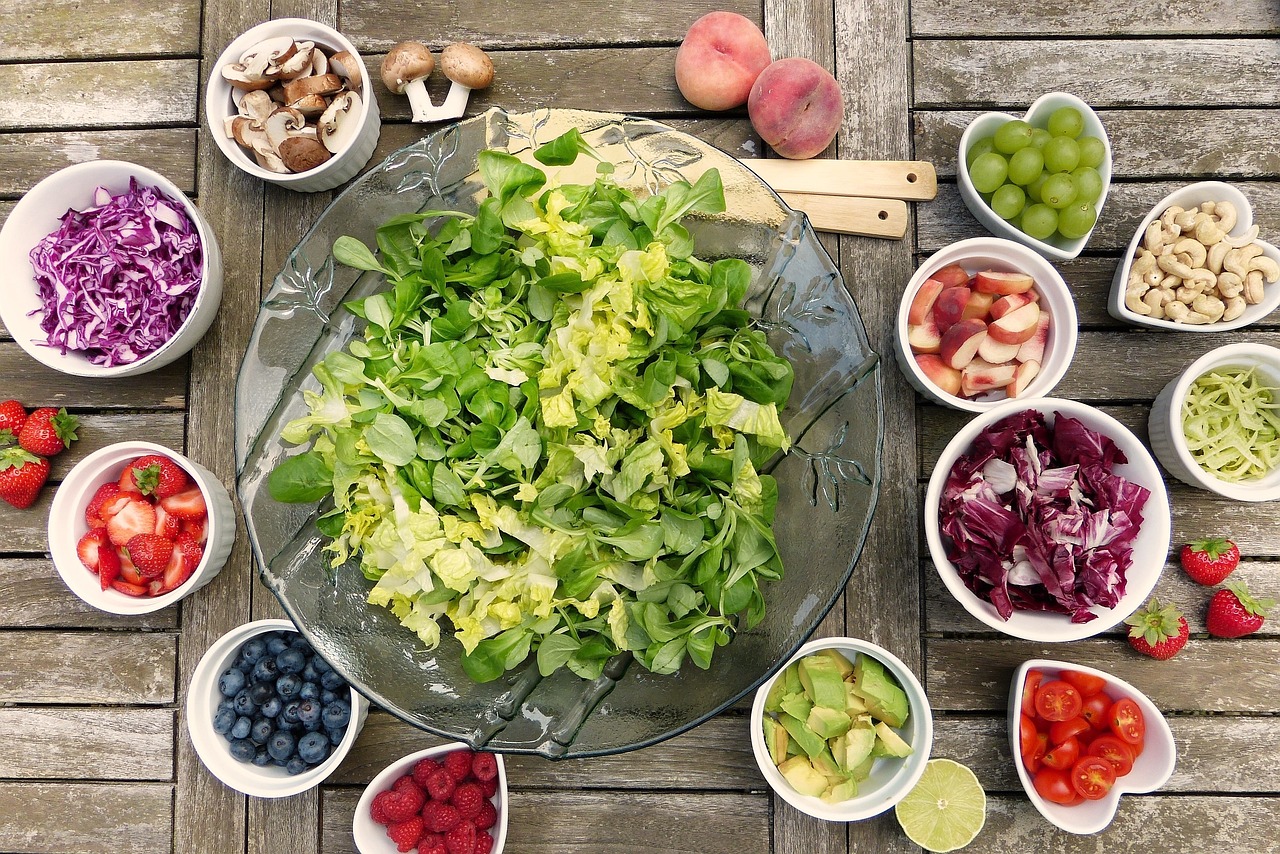
This is the single biggest culprit. Nuts, avocado, olive oil, granola, dried fruit, and nut butters are genuinely nutritious — and also extremely calorie-dense. A handful of almonds and a tablespoon of peanut butter can each run 150–200 calories in a small volume of food that doesn’t feel like much.
Eating “clean” doesn’t cap your calorie intake automatically. It’s entirely possible to eat an excellent, whole-food diet that still adds up to more calories than your body uses in a day.
The fix: Portion out calorie-dense healthy foods rather than eating straight from the bag or jar, where it’s easy to lose track of how much you’ve actually had.
2. Liquid Calories Don’t Register as “Eating”
Smoothies, fresh juices, oat milk lattes, and protein shakes all feel like health choices — and they can be — but a large smoothie packed with fruit, nut butter, and juice can easily run 500–700 calories without feeling remotely like a meal. Because drinking doesn’t trigger the same fullness cues as chewing solid food, it’s easy to add a full extra meal’s worth of calories in liquid form without noticing.
The fix: Treat calorie-dense drinks as a meal, not a snack, when estimating your day’s intake.

3. “Healthy” Restaurant and Packaged Meals Are Often Underestimated
Salads with heavy dressing, poke bowls loaded with sauce and rice, and “protein bowls” from health-focused restaurants can easily hit 700–1,000+ calories — often more than a straightforward burger, just wrapped in healthier-sounding language. Packaged “healthy” snack bars and protein bars can also run surprisingly high, especially the ones marketed around indulgence (brownie-flavored, cookie-dough style).
The fix: Don’t assume a menu item or package labeled “healthy” is automatically lower calorie — check when possible, or estimate generously.
4. Portion Sizes Have Crept Up
Even with genuinely healthy food, portions can slowly grow larger over time without anyone noticing — a slightly bigger scoop of rice here, an extra serving of chicken there. Over weeks and months, this kind of gradual creep adds up to a real calorie surplus even though every individual meal still looks “healthy” on the plate.
The fix: Occasionally measuring portions, even loosely with hands or a kitchen scale for a week, resets an accurate sense of what a serving actually looks like.

5. Weekend Eating Undoes Weekday Discipline
A common pattern: eating carefully and in a deficit Monday through Friday, then relaxing significantly on weekends — restaurant meals, drinks, dessert, second helpings. Two indulgent days can easily add enough calories to offset five days of careful eating, especially since restaurant and social eating tends to run higher in calories than home cooking regardless of how “healthy” the choices feel in the moment.
The fix: Weekly averages matter more than any single day — a slightly more moderate weekend approach protects the progress made during the week.

6. Stress and Poor Sleep Are Working Against You
This one isn’t about food choices at all. Chronic stress elevates cortisol, which is linked to increased appetite and a tendency toward fat storage, particularly around the midsection. Poor sleep disrupts the hormones that regulate hunger and fullness (ghrelin and leptin), making it genuinely harder to sense when you’re full — even while eating well-chosen foods.
The fix: Weight management isn’t purely a food equation. Addressing sleep quality and stress levels often removes a barrier that diet changes alone can’t fix.
7. Medications or an Underlying Condition
Certain medications — some antidepressants, corticosteroids, birth control, and a handful of others — can cause weight gain as a side effect regardless of diet quality. Conditions like hypothyroidism or PCOS can also affect weight independently of eating habits. If weight gain continues despite genuinely careful eating and none of the patterns above explain it, this is worth raising with a doctor rather than assuming it’s a willpower or knowledge problem.

How to Actually Diagnose Your Situation
Rather than guessing which of these applies, tracking food intake honestly for one to two weeks — including drinks, dressings, and weekend meals — is usually the fastest way to spot the real gap between “eating healthy” and “eating at a deficit.” Most people are surprised by at least one category above once they actually see the numbers written down.
The Bottom Line
Gaining weight while eating healthy isn’t a contradiction or a sign that something is metabolically broken — it almost always means calories are higher than they feel, often through calorie-dense whole foods, liquid calories, or restaurant meals that read as “healthy” without being low calorie. Identifying which of these patterns applies is usually far more useful than switching diets entirely.