
How to Get Rid of Visceral Fat: What Actually Works
Not all body fat behaves the same way, and visceral fat is the type that matters most for actual health outcomes — not just appearance. It’s also, somewhat conveniently, one of the more responsive types of fat to lifestyle changes, often shrinking faster than the subcutaneous fat you can pinch. Understanding what it actually is changes how seriously it’s worth prioritizing.
What Visceral Fat Actually Is
Visceral fat is stored deep within the abdominal cavity, surrounding internal organs like the liver, pancreas, and intestines — distinct from subcutaneous fat, which sits just beneath the skin and is what you can physically grab with your fingers. Visceral fat isn’t just inert storage tissue; it’s metabolically active, releasing inflammatory compounds and hormones that directly affect insulin sensitivity, blood pressure, and cholesterol levels.
This is why visceral fat is linked to health risks — type 2 diabetes, heart disease, and certain cancers — independent of overall body weight. Two people can weigh the same amount, but the one carrying more visceral fat relative to subcutaneous fat faces meaningfully higher health risk.
How to Tell If You Have Excess Visceral Fat
Visceral fat can’t be precisely measured without imaging (a CT or MRI scan), but a few practical proxies give a reasonable estimate:
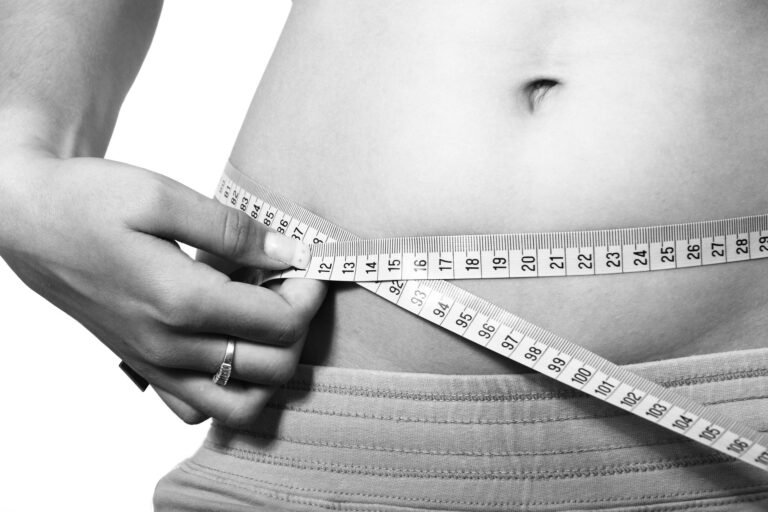
- Waist circumference — above 40 inches (102 cm) for men or 35 inches (88 cm) for women is associated with elevated visceral fat and health risk, regardless of overall weight
- Waist-to-hip ratio — dividing waist measurement by hip measurement; above 0.90 for men or 0.85 for women suggests higher visceral fat accumulation
- Visual clues — a firm, rounded “apple-shaped” abdomen (as opposed to loose, soft tissue you can pinch) often indicates more visceral relative to subcutaneous fat in that area
Example: Someone with a soft, pinchable belly and a normal waist measurement likely carries more subcutaneous than visceral fat, while someone with a hard, protruding abdomen and elevated waist circumference — even at a similar overall weight — likely carries more visceral fat.
Why Visceral Fat Often Responds Faster Than Other Fat
Visceral fat cells tend to be more metabolically active and more responsive to lipolysis (fat breakdown) compared to subcutaneous fat cells, which is part of why people often notice waist circumference decreasing before more stubborn subcutaneous areas (hips, thighs) show visible change during a fat loss phase. This doesn’t mean visceral fat loss is guaranteed to be fast — it means it tends to respond proportionally well to the same interventions that reduce fat overall.
1. Create a Consistent Calorie Deficit
There’s no method that removes visceral fat without an overall calorie deficit — spot-reduction through targeted ab exercises doesn’t work, since fat loss location is determined by hormones and genetics, not which muscle you’re training. A moderate, sustained deficit remains the foundational driver of visceral fat loss specifically, just as it is for fat loss generally.

2. Prioritize Aerobic Exercise
Multiple studies specifically measuring visceral fat (via imaging, not just weight or waist circumference) show that moderate-to-vigorous aerobic exercise reduces visceral fat effectively, even in the absence of significant weight loss in some cases. This is a notable distinction — aerobic exercise appears to have a visceral-fat-specific benefit beyond its general calorie-burning effect.
Example: Research comparing exercise types has found aerobic training (walking, running, cycling) at moderate-to-high volume tends to outperform resistance training alone for visceral fat reduction specifically, though combining both remains ideal for overall health and body composition.
3. Reduce Added Sugar and Refined Carbohydrates
Diets high in added sugar, particularly fructose from sources like sugar-sweetened beverages, have been specifically linked to increased visceral fat accumulation in multiple studies, independent of total calorie intake in some research. This appears related to how fructose is metabolized primarily in the liver, an organ visceral fat directly surrounds.
Example: Replacing sugar-sweetened beverages with water or unsweetened alternatives is one of the more evidence-supported specific dietary changes for visceral fat, beyond its general calorie-reduction benefit.

4. Increase Soluble Fiber Intake
Higher soluble fiber intake is associated with lower visceral fat accumulation in observational research, potentially through effects on gut bacteria composition and improved satiety that indirectly supports lower overall calorie intake. Oats, legumes, flaxseed, and Brussels sprouts are practical soluble fiber sources.
Example: One notable study found that for every 10-gram increase in daily soluble fiber intake, visceral fat accumulation over 5 years was reduced by a measurable percentage — a meaningful effect from a relatively modest, achievable dietary change.
5. Manage Chronic Stress and Cortisol
Chronically elevated cortisol specifically promotes fat storage in the visceral, abdominal region more than other areas — a well-documented hormonal mechanism distinct from cortisol’s other effects. This is part of why persistent high stress is independently linked to abdominal fat accumulation, even without a corresponding change in overall calorie intake.
Example: Two people in an identical calorie deficit, one under chronic high stress and one without, may see different rates of visceral fat reduction specifically, due to this cortisol-driven storage pattern working against the person under more stress.

6. Improve Sleep Quality and Duration
Poor sleep is independently associated with increased visceral fat accumulation in longitudinal studies, separate from its broader effects on appetite hormones and overall weight. Some research specifically shows that even without significant weight change, poor sleepers accumulate visceral fat at a higher relative rate compared to adequate sleepers.
7. Limit Alcohol Intake
Alcohol is calorie-dense, metabolized similarly to fructose in placing metabolic burden on the liver, and is specifically associated with increased visceral (rather than purely subcutaneous) fat accumulation in research on regular moderate-to-heavy drinkers — part of the biological basis behind the colloquial “beer belly” pattern.
Why Ab Exercises Alone Won’t Do This
Because visceral fat surrounds internal organs rather than sitting on top of abdominal muscles, no amount of crunches, planks, or ab-specific training directly targets it — those exercises strengthen underlying muscle without creating a mechanism to preferentially burn the fat surrounding it. Ab exercises remain valuable for core strength and stability, just not as a visceral-fat-reduction strategy on their own.

A Realistic Timeline
Visceral fat, being more metabolically responsive, often shows measurable reduction (via waist circumference) within 4-8 weeks of consistent calorie deficit combined with regular aerobic activity — often before significant change is visible in overall body weight or more stubborn subcutaneous areas. This makes waist circumference a genuinely useful, encouraging early progress marker during a longer fat loss journey.
Quick Reference: What Helps Most
| Intervention | Evidence Strength |
|---|---|
| Calorie deficit | Strong — foundational |
| Aerobic exercise | Strong — visceral-fat-specific benefit shown |
| Reducing added sugar/fructose | Moderate-strong |
| Soluble fiber intake | Moderate |
| Sleep improvement | Moderate |
| Stress/cortisol management | Moderate |
| Reducing alcohol | Moderate |
| Ab exercises alone | Minimal (for visceral fat specifically) |
The Bottom Line
Visceral fat matters more for health than its subcutaneous counterpart, but it also tends to respond well to the same fundamentals that drive overall fat loss — a calorie deficit, regular aerobic activity, reduced added sugar and alcohol, and attention to sleep and stress. Waist circumference, not just the scale, is worth tracking specifically, since visceral fat often shrinks first and gives an encouraging early signal that the approach is working.