Gym Anxiety: How to Overcome It (Even as a Total Beginner)
There’s a specific kind of dread that comes from standing in a gym parking lot, keys still in your hand, trying to talk yourself into walking through the door. If that sounds familiar, you’re far from alone — gym anxiety is common enough that it has its own nickname (“gymtimidation”) and enough shared experience behind it that entire industries of home-workout equipment exist partly because of it.
The good news: gym anxiety almost always fades with a bit of strategy and repetition. It rarely disappears from willpower alone, but it does respond well to a few practical changes in how you approach those first few visits.

Why Gym Anxiety Happens in the First Place
Gym anxiety usually isn’t really about fitness — it’s about being watched while doing something unfamiliar. A few specific fears tend to drive it:
- Fear of being judged for not knowing how to use equipment
- Fear of standing out as visibly new or out of shape
- Fear of doing something wrong — using a machine incorrectly, walking into someone’s workout, breaking gym etiquette without knowing it
- Sensory overload — loud music, mirrors everywhere, crowded peak hours
None of these fears are irrational, exactly — they’re just usually far more intense in your head than they are in reality. Most gym-goers are focused entirely on their own workout and barely register anyone else in the room, let alone judge them.

1. Go During Off-Peak Hours
Early mornings (before 8 AM), early afternoons, and late evenings tend to be far quieter than the after-work rush between 5–7 PM. A half-empty gym removes a huge portion of the “being watched” feeling simply by removing the audience.
2. Have a Plan Before You Walk In
Wandering around a gym floor deciding what to do next is one of the biggest anxiety triggers, because it makes you feel visibly lost. Walking in with a written list — even just three or four exercises with sets and reps jotted in your phone — gives you somewhere to look and something to do the moment you get in the door.
3. Start With a Short, Low-Pressure Routine
You don’t need a complex hour-long program for your first few visits. A simple 20–30 minute routine using two or three machines you already understand builds familiarity with the space without overwhelming yourself. Confidence tends to build in layers — each successful, uneventful visit makes the next one easier.

4. Watch a Few Equipment Tutorials Beforehand
Knowing roughly how a machine works before you sit down removes one of the biggest sources of in-the-moment anxiety. A two-minute video the night before walking into a leg press or cable machine for the first time can be the difference between confident and hesitant.
5. Remember the Spotlight Effect Isn’t Real
Psychologists call this the “spotlight effect” — the well-documented tendency to overestimate how much other people notice and remember about us. Studies on this consistently find that people vastly overestimate how much attention strangers pay to their appearance or mistakes. In a gym specifically, most people are deep in their own headphones, their own sets, and their own internal effort — genuinely not scanning the room evaluating anyone else.
6. Consider a Single Session With a Trainer
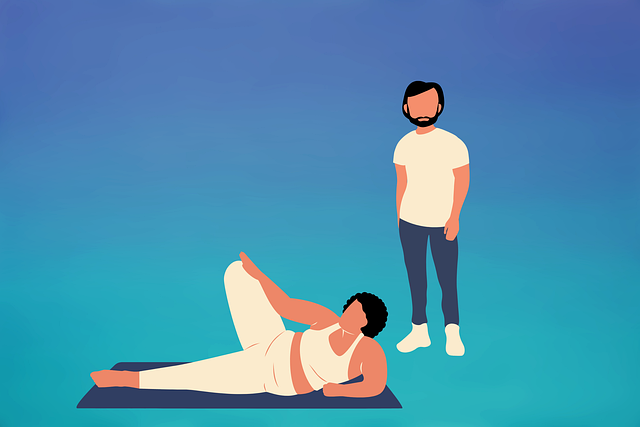
One introductory session with a trainer — many gyms offer this free with a new membership — isn’t just about learning form. It’s a low-pressure way to get comfortable with the layout, the equipment, and the general flow of the space with someone guiding you, so your first “real” solo visit feels less like uncharted territory.

7. Bring a Friend for the First Few Visits
Having a training partner, even for just the first two or three sessions, changes the entire emotional experience of walking in. It’s not about needing supervision — it’s that shared unfamiliar experiences feel dramatically less intimidating than solo ones.
8. Reframe What “Beginner” Actually Looks Like
Every experienced gym-goer in the room was once exactly where you are now — fumbling with a seat adjustment, unsure which way a machine moves, double-checking they’re doing something right. Nobody arrives already competent. The visible confidence you see in others is simply the result of repetition you haven’t logged yet, not some innate advantage you’re missing.
When Gym Anxiety Might Be Something More
For most people, gym anxiety is situational and fades with exposure. But if the anxiety is severe, persistent, or spills into a broader pattern of social anxiety that affects other areas of life, that’s worth bringing up with a doctor or therapist rather than pushing through alone — general nervousness about a new environment and clinical anxiety are different things, and it’s fine to seek support for either.
The Bottom Line
Gym anxiety fades almost entirely through repetition and preparation, not through waiting to feel ready. Off-peak timing, a written plan, and a few uneventful visits do more for confidence than any amount of mental pep-talking beforehand. The tenth visit will feel nothing like the first — and most people who push through those early sessions look back and can’t quite remember what felt so intimidating in the first place.