The Best Foods to Eat Before and After a Workout
Somewhere along the way, workout nutrition got way more complicated than it needs to be. Scroll through fitness content for five minutes and you’ll find someone insisting you need a specific ratio of carbs to protein, timed to the minute, or you’re “leaving gains on the table.” Most of that is noise. What actually matters is simpler, and honestly, more forgiving than the internet makes it sound.
Here’s what to actually eat before and after you train, why it matters, and — just as importantly — what doesn’t matter nearly as much as people think.

Why What You Eat Around a Workout Matters at All
Your body needs fuel to perform, and it needs raw materials to repair afterward. That’s really the whole principle. Eat too little beforehand and you might feel flat, dizzy, or gas out halfway through your session. Skip refueling afterward and you’re making your muscles work harder to recover than they need to.
None of this requires precision. It requires showing up with roughly the right kind of food, roughly the right amount, at roughly the right time. The people who obsess over exact grams and exact minutes are mostly wasting energy that would be better spent on their actual training.
What to Eat Before a Workout
The main goal here is easily accessible energy — carbohydrates your body can break down quickly, plus a bit of protein if your stomach handles it well. What you want to avoid is a heavy, high-fat, high-fiber meal that’s still sitting in your stomach when you start your first set. That’s the recipe for feeling sluggish or, worse, nauseous mid-workout.
Good options 1–3 hours before training:
- Oatmeal with a banana and a spoonful of peanut butter
- Greek yogurt with berries and a drizzle of honey
- A turkey or chicken sandwich on whole grain bread
- Rice with grilled chicken and vegetables
Good options 30–45 minutes before training (lighter, faster-digesting):
- A banana, plain or with a small handful of almonds
- A slice of toast with honey or jam
- A small handful of dried fruit
- A rice cake with a thin layer of nut butter
If you’re someone who trains first thing in the morning and can’t stomach food that early, that’s genuinely fine for most people doing moderate-length sessions — your body has enough stored glycogen to fuel a typical hour-long workout even in a fasted state. Just listen to how you actually feel. If fasted training consistently leaves you weak or dizzy, that’s your body telling you it wants fuel beforehand, and it’s worth listening to.

What to Eat After a Workout
This is where protein takes the lead. Your muscles have just been through a stimulus that creates tiny amounts of damage — the normal, productive kind that leads to repair and growth. Protein supplies the amino acids your body uses to rebuild, and getting a reasonable amount in within a few hours of training supports that process.
Carbohydrates matter here too, particularly if your workout was long or intense — they help refill the glycogen stores you burned through and blunt the stress hormone response that comes with hard training.
Good post-workout meals or snacks:
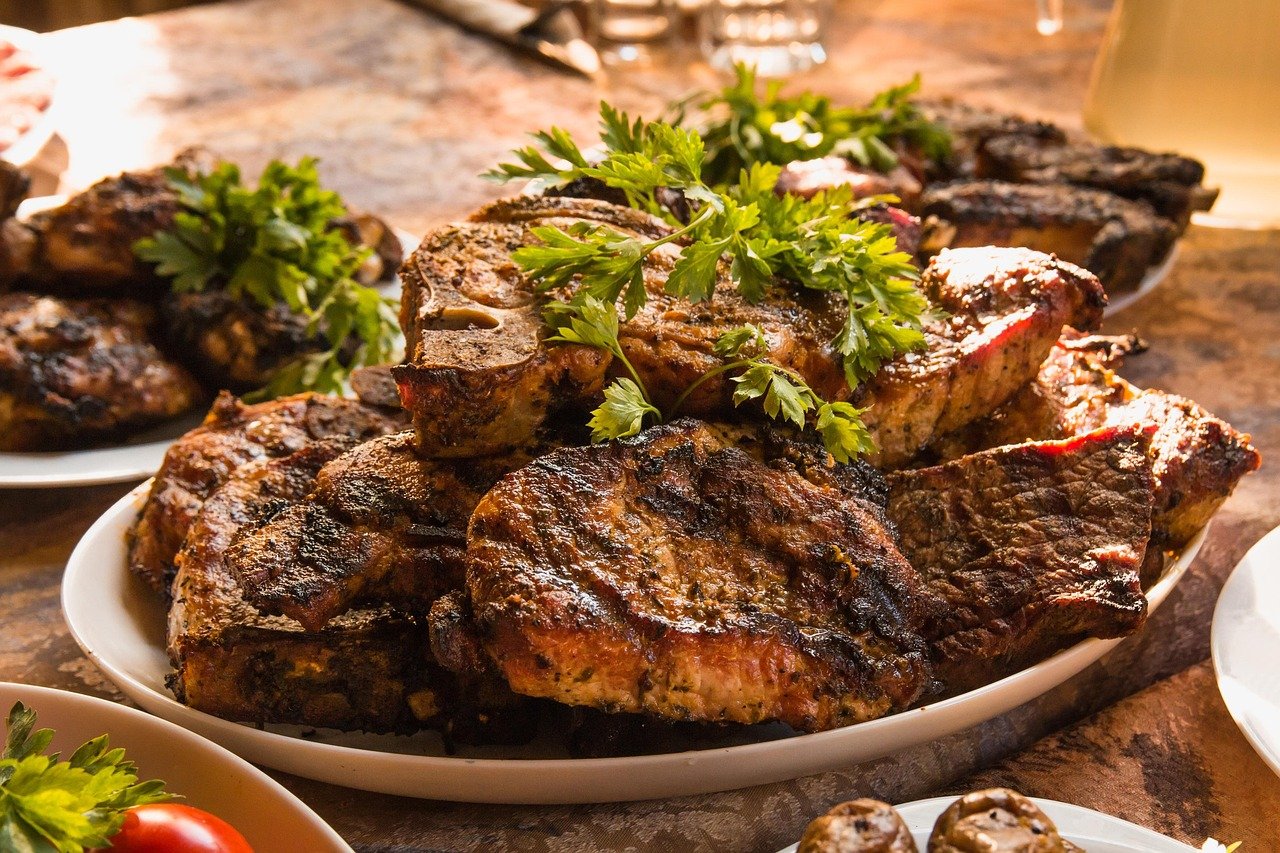
- Grilled chicken with rice and roasted vegetables
- A protein shake with a banana
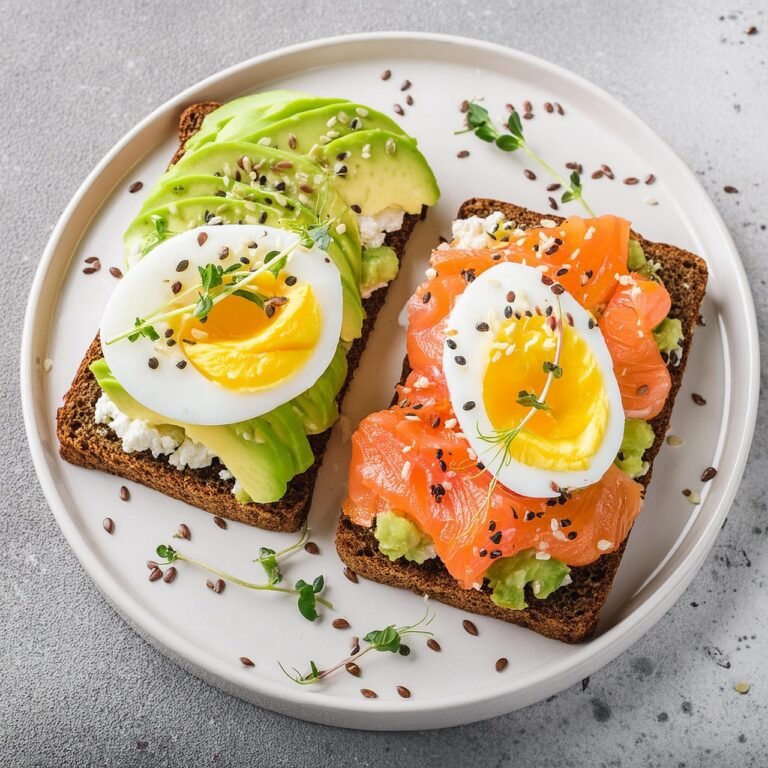
- Eggs with whole grain toast and avocado
- Greek yogurt with granola and fruit
- Salmon with sweet potato
You don’t need to eat within some mythical “anabolic window” of exactly 30 minutes. Research has moved past that idea — what matters more is getting adequate protein somewhere in the hours around your workout, as part of your overall daily intake. If you eat within 30 minutes, great. If it’s closer to 90 minutes because you had to shower and commute home first, you haven’t lost anything meaningful.
What About Hydration?
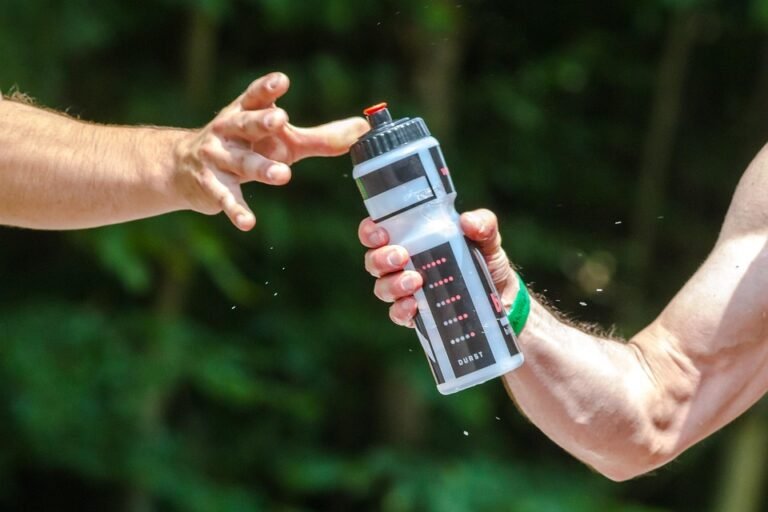
Water gets less attention than food in this conversation, but dehydration can hurt your performance faster than under-eating will. Even a small drop in hydration — around 2% of your body weight — is enough to noticeably reduce strength and endurance.
A reasonable approach: drink water throughout the day, not just right before you train, have a glass 1–2 hours before your workout, and sip during longer or more intense sessions. Unless you’re training hard for well over an hour, especially in heat, plain water is enough — you don’t need a sports drink for a standard hour-long gym session.

Common Mistakes People Make With Workout Nutrition
Training on a genuinely empty stomach when it doesn’t agree with you. Some people do fine fasted. Others feel weak, lightheaded, or cut their workout short because of it. If that’s you, a small pre-workout snack isn’t optional — it’s necessary.
Eating a huge, heavy meal right before training. A big plate of pasta with a rich sauce an hour before deadlifts is a rough combination. Give heavier meals 2–3 hours of digestion time before you train.
Skipping food after training because you’re “not hungry yet.” Appetite doesn’t always show up immediately after a hard session, especially intense cardio. Even a small snack — a protein shake, some yogurt — bridges the gap until your next full meal.
Overcomplicating it. You don’t need specific supplement stacks or perfectly timed macros to see results. Consistent, reasonably balanced eating around your workouts, done regularly, outperforms a “perfect” plan you only follow occasionally.
Frequently Asked Questions
Do I need a protein shake, or can I get enough from food? Whole food works just as well for most people. A shake is simply convenient when you don’t have time or appetite for a full meal right after training — it’s a tool, not a requirement.
Is it bad to work out completely fasted? Not inherently, for moderate-length sessions. Some people genuinely perform fine training fasted, and there’s some evidence it doesn’t hurt fat loss or strength gains for shorter workouts. If it leaves you weak or dizzy, though, that’s your signal to eat something small beforehand.
How much protein do I actually need after a workout? Somewhere around 20–40 grams is a reasonable target for most people, though total daily protein intake matters more than hitting an exact number in any single meal.
Does it matter if I eat carbs after training if I’m trying to lose fat? Not particularly. A moderate amount of carbohydrate post-workout supports recovery and doesn’t meaningfully interfere with fat loss as long as your total daily calories are in check.

Key Takeaways
Workout nutrition doesn’t need to be a science project. Eat something with easy-to-digest carbs (and a bit of protein, if it agrees with you) an hour or two before training, refuel with protein and carbs sometime in the hours afterward, and stay reasonably hydrated throughout the day. Get those basics right consistently, and you’ve covered what actually matters — everything more precise than that is optimization on the margins, not the foundation.